
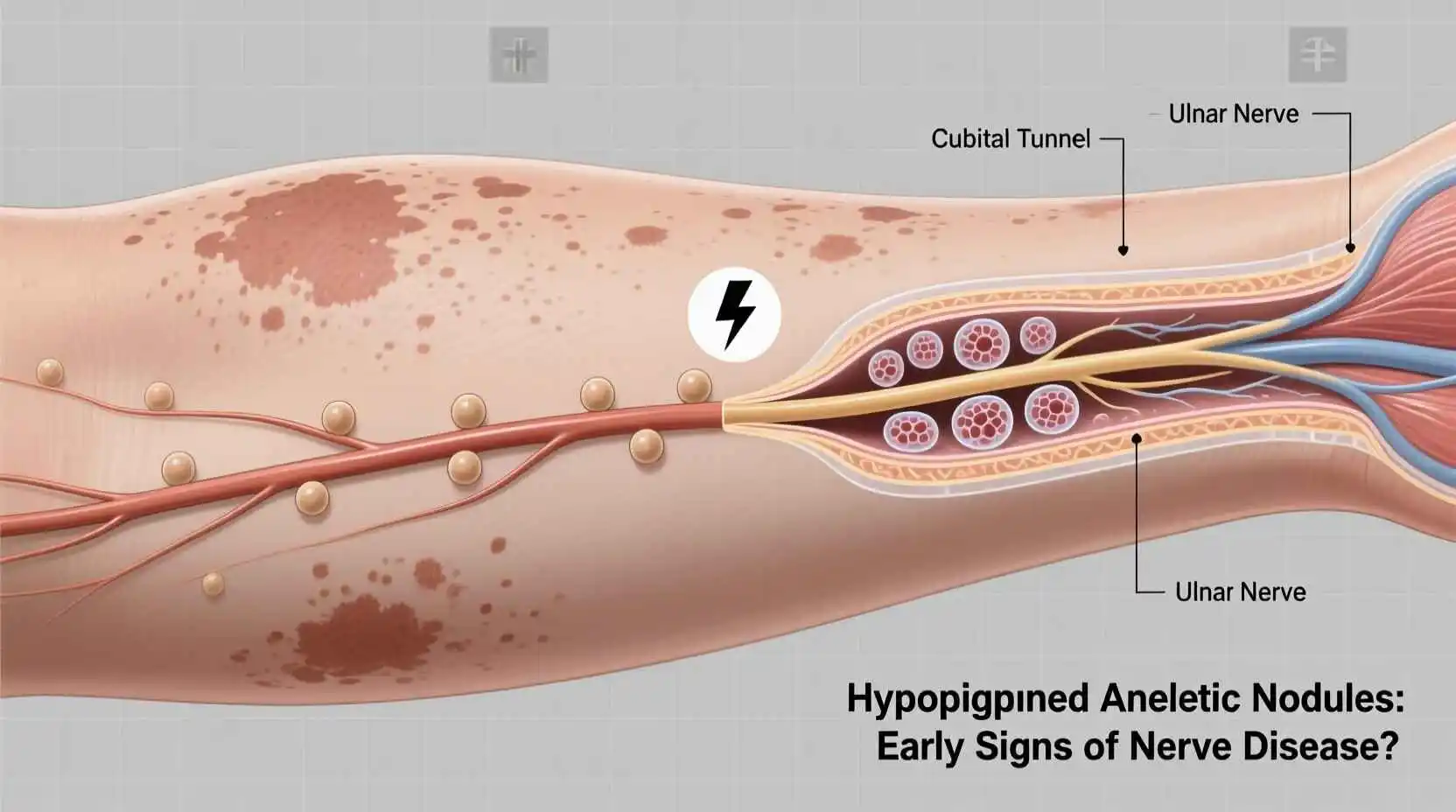
Claw hand deformity has significant functional consequences:
Impaired Grip Strength: The deformity alters the biomechanics of grip, reducing strength and endurance.
Difficulty with Fine Motor Tasks: Activities requiring finger dexterity, such as writing, buttoning clothes, or manipulating small objects, become challenging.
Pain and Discomfort: Abnormal joint positioning can lead to joint pain, arthritis, and soft tissue contractures over time.

Secondary Skin Changes: Altered hand function can lead to calluses, ulcers, particularly over extended PIP joints, and increased risk of infection.
Progressive Sensory Loss
Progressive sensory loss is often the earliest and most distressing symptom for patients, preceding visible changes in some cases. The pattern and progression of sensory loss provide important diagnostic information.
Patterns of Sensory Loss
Sensory loss in these conditions typically follows specific patterns:
Stocking-Glove Distribution: Sensory loss often begins in the distal extremities (fingers and toes) and progresses proximally, creating a pattern resembling stockings and gloves. This pattern is characteristic of length-dependent neuropathies.
Nerve Trunk Distribution: Sensory loss may follow the distribution of specific peripheral nerves, such as the ulnar nerve (medial hand, ring and little fingers) or peroneal nerve (dorsum of foot and lateral lower leg).
Patchy Distribution: In some conditions, sensory loss may occur in patchy, asymmetric areas that do not follow clear anatomical patterns.
Modalities Affected: Different sensory modalities may be affected selectively or in combination. Temperature sensation is often affected early, followed by light touch, pain, vibration, and proprioception.
Pathophysiology of Sensory Loss
The mechanisms underlying progressive sensory loss include:
Axonal Degeneration: Direct damage to sensory nerve axons prevents signal transmission from sensory receptors to the central nervous system.
Demyelination: Loss of the myelin sheath surrounding nerve fibers impairs the conduction of sensory signals, leading to slowed or blocked transmission.
Dorsal Root Ganglion Involvement: Damage to sensory neuron cell bodies in the dorsal root ganglia leads to degeneration of both central and peripheral sensory pathways.
Central Nervous System Changes: Chronic sensory loss can lead to reorganization of sensory pathways in the spinal cord and brain, potentially exacerbating sensory deficits.
Clinical Assessment of Sensory Loss
Comprehensive assessment of sensory loss includes:
Quantitative Sensory Testing: Standardized testing of different sensory modalities (light touch, vibration, temperature, pain) using calibrated instruments.
Monofilament Testing: Using Semmes-Weinstein monofilaments to assess light touch perception and detect early sensory loss.
Two-Point Discrimination: Testing the ability to distinguish between one and two points of contact, which is particularly important in the hands.
Vibration Perception: Using a tuning fork to assess vibration sense, which is often affected early in neuropathies.
Thermal Sensation: Testing the ability to distinguish between warm and cold temperatures, which can be selectively affected in some conditions.
Functional Implications of Sensory Loss
Progressive sensory loss has profound functional implications:
Increased Risk of Injury: Inability to perceive pain, temperature extremes, or pressure increases the risk of burns, cuts, pressure ulcers, and other injuries.
Impaired Balance and Coordination: Loss of proprioception and vibration sense can lead to balance problems and increased risk of falls.
Difficulty with Fine Motor Tasks: Sensory feedback is essential for fine motor control of the hands, and its loss impairs activities like writing, typing, and manipulating small objects.
Autonomic Dysfunction: Some conditions that cause sensory loss also affect autonomic nerves, leading to dry skin, abnormal sweating, and blood pressure regulation problems.
The constellation of hypopigmented anesthetic skin nodules, thickened peripheral nerves, claw hand deformity, and progressive sensory loss represents a complex clinical presentation that requires systematic evaluation. Understanding each component and their interrelationships provides the foundation for recognizing the underlying disease processes and implementing appropriate diagnostic and therapeutic strategies.
Differential Diagnosis: Conditions Associated with This Symptom Constellation
The combination of multiple hypopigmented anesthetic skin nodules, thickened peripheral nerves, claw hand deformity, and progressive sensory loss is highly suggestive of specific disease processes. While several conditions can present with this constellation of symptoms, certain etiologies are more commonly associated with this presentation. This section explores the primary differential diagnoses, their pathophysiology, clinical features, and distinguishing characteristics.
Leprosy (Hansen’s Disease)
Leprosy, caused by Mycobacterium leprae, is perhaps the most well-known condition associated with this constellation of symptoms. It remains a significant public health concern in many parts of the world and presents with a spectrum of clinical manifestations.
Pathophysiology and Bacteriology
Mycobacterium leprae is an acid-fast bacillus with a predilection for cooler body tissues, particularly the skin and peripheral nerves. The bacterium has a unique tropism for Schwann cells, the glial cells that produce myelin in the peripheral nervous system. This affinity for neural tissue is central to the neurological manifestations of the disease.
The pathogenesis of leprosy involves:
Invasion of Schwann cells by M. leprae, leading to demyelination and nerve damage
Formation of granulomas in skin and nerves, contributing to nodule formation and nerve thickening
Immune-mediated damage to nerves, as the host immune response attempts to eliminate the bacteria
Specific immunological responses that determine the clinical spectrum of the disease, from tuberculoid to lepromatous leprosy
Clinical Spectrum of Leprosy
Leprosy presents along a clinical spectrum determined by the host’s cell-mediated immune response:
Tuberculoid Leprosy (Paucibacillary): Patients with strong cell-mediated immunity develop limited disease with few skin lesions and asymmetric nerve involvement. Skin lesions are typically few, hypopigmented or erythematous, with well-defined borders and anesthesia. Nerve involvement is asymmetric and may lead to localized nerve thickening and deformity.
Borderline Leprosy: This intermediate form represents a spectrum between tuberculoid and lepromatous leprosy, with characteristics of both. Patients may have multiple skin lesions of varying appearance and more widespread nerve involvement.
Lepromatous Leprosy (Multibacillary): Patients with poor cell-mediated immunity develop widespread disease with numerous skin lesions and symmetric nerve involvement. Skin lesions are numerous, poorly defined, and may be hypopigmented, erythematous, or nodular. Nerve involvement is symmetric and extensive, leading to significant thickening of multiple nerves.
Neurological Manifestations in Leprosy
Neurological involvement is a hallmark of leprosy and contributes significantly to morbidity:
Sensory Loss: Sensory deficits typically follow a stocking-glove distribution but can also affect specific nerve territories. Temperature sensation is often affected first, followed by light touch, pain, and proprioception.
Motor Deficits: Nerve damage leads to weakness and paralysis of innervated muscles. Ulnar nerve involvement is common, leading to claw hand deformity. Other commonly affected nerves include the peroneal nerve (foot drop), facial nerve (facial weakness), and radial nerve (wrist drop).
Autonomic Dysfunction: Autonomic nerve involvement can lead to dry skin, abnormal sweating, and other autonomic manifestations.
Nerve Thickening: Palpable thickening of peripheral nerves is a characteristic finding, particularly in borderline and lepromatous leprosy.
Skin Manifestations in Leprosy
Skin lesions in leprosy vary depending on the position on the clinical spectrum:
Hypopigmented Macules and Plaques: Common in tuberculoid leprosy, these lesions are well-defined, anesthetic, and may have raised borders.
Erythematous or Copper-Colored Lesions: Seen in borderline leprosy, these lesions may be less well-defined and can show changes in color, temperature, and sensation.
Diffuse Infiltration and Nodules: Characteristic of lepromatous leprosy, these lesions can be numerous, symmetric, and may have a nodular component. The skin may appear thickened and shiny.
Lucio Phenomenon: A severe complication seen primarily in lepromatous leprosy, characterized by vascular inflammation leading to necrotic skin ulcers, particularly on the lower extremities.
Diagnostic Approach for Leprosy
Diagnosis of leprosy involves clinical evaluation and confirmatory testing:
Clinical Examination: Careful assessment of skin lesions for changes in sensation, palpation of peripheral nerves for thickening, and neurological evaluation for motor and sensory deficits.
Slit-Skin Smear: Microscopic examination of fluid obtained from skin lesions to detect acid-fast bacilli. This test is positive in multibacillary leprosy but negative in paucibacillary disease.
Polymerase Chain Reaction (PCR): Molecular testing can detect M. leprae DNA in skin or nerve samples, providing a more sensitive diagnostic method.
Serologic Tests: Tests detecting antibodies to phenolic glycolipid-1 (PGL-1) can support the diagnosis, particularly in multibacillary leprosy.
Nerve Conduction Studies: Electrophysiological testing can detect subclinical nerve involvement and monitor response to treatment.
Sarcoidosis
Sarcoidosis is a multisystem inflammatory disorder characterized by the formation of non-caseating granulomas in various organs. While it most commonly affects the lungs and lymph nodes, it can involve the skin and nervous system, presenting with symptoms that overlap with those described.
Pathophysiology and Immunology
Sarcoidosis is believed to result from an exaggerated immune response to unknown antigens in genetically susceptible individuals. Key aspects of its pathophysiology include:
Formation of non-caseating granulomas, which are collections of immune cells (macrophages, lymphocytes, giant cells) organized in a distinctive pattern
Dysregulation of the immune system, with an exaggerated Th1-type immune response and increased production of inflammatory cytokines such as tumor necrosis factor-alpha (TNF-α), interferon-gamma (IFN-γ), and interleukin-12 (IL-12)
Genetic predisposition, with certain HLA alleles and polymorphisms in immune-related genes associated with increased susceptibility
Environmental triggers, which may include infectious agents, organic dusts, and other exposures, though no specific trigger has been definitively identified
Cutaneous Manifestations of Sarcoidosis
Skin involvement occurs in approximately 25-35% of sarcoidosis patients and can take various forms:
Specific Lesions: These lesions contain granulomas on histopathology and include:
- Maculopapular eruptions, which may be skin-colored, red, or hypopigmented
- Plaques, which are elevated, well-circumscribed lesions that may be annular
- Nodules, which can be subcutaneous or cutaneous and may be hypopigmented
- Lupus pernio, characterized by violaceous, indurated plaques on the nose, cheeks, and ears
Nonspecific Lesions: These lesions do not contain granulomas and include erythema nodosum (tender red nodules on the shins) and calcifications.
Hypopigmented lesions in sarcoidosis are more common in dark-skinned individuals and can be mistaken for other conditions, including leprosy. These lesions may be anesthetic due to granulomatous involvement of cutaneous nerves.
Neurosarcoidosis
Nervous system involvement occurs in approximately 5-15% of sarcoidosis patients and can affect any part of the nervous system:
Peripheral Neuropathy: Sarcoidosis can cause various patterns of peripheral neuropathy, including:
- Mononeuropathy or mononeuritis multiplex (involvement of individual nerves)
- Symmetric or asymmetric polyneuropathy
- Small fiber neuropathy, affecting small-diameter nerve fibers responsible for pain and temperature sensation
Cranial Neuropathy: Facial nerve palsy is the most common cranial neuropathy in sarcoidosis, but other cranial nerves can also be affected.
Meningeal Sarcoidosis: Involvement of the meninges can lead to chronic meningitis, cranial neuropathies, and hydrocephalus.
Space-Occupying Lesions: Granulomatous masses can form in the brain or spinal cord, causing focal neurological deficits.
Nerve thickening can occur in sarcoidosis due to granulomatous inflammation of the epineurium and perineurium, though it is less common than in leprosy.
Diagnostic Approach for Sarcoidosis
Diagnosis of sarcoidosis requires integration of clinical, radiological, and laboratory findings:
Clinical Evaluation: Comprehensive history and physical examination to identify characteristic skin lesions, neurological deficits, and involvement of other organs.
Biopsy: Tissue biopsy (skin, nerve, lymph node, lung) demonstrating non-caseating granulomas is the gold standard for diagnosis. Special stains and cultures are used to exclude infectious causes.
Imaging: Chest X-ray or CT scan may reveal hilar lymphadenopathy or pulmonary infiltrates. MRI of the nervous system can detect granulomatous lesions or nerve enhancement.
Laboratory Tests: Elevated angiotensin-converting enzyme (ACE) levels, hypercalcemia, and hypercalciuria can support the diagnosis but are not specific.
Pulmonary Function Tests: May show restrictive patterns in patients with pulmonary involvement.
Primary Amyloidosis
Primary amyloidosis (AL amyloidosis) is a rare disorder characterized by the deposition of amyloid fibrils derived from immunoglobulin light chains in various tissues. While it most commonly affects the heart, kidneys, and liver, it can involve the skin and peripheral nervous system, presenting with symptoms that overlap with those described.
Pathophysiology and Amyloid Formation
Primary amyloidosis is a plasma cell dyscrasia related to multiple myeloma, though with lower levels of monoclonal protein:
Clonal plasma cells produce abnormal immunoglobulin light chains (kappa or lambda) that misfold and aggregate into insoluble amyloid fibrils
These fibrils deposit in tissues, disrupting normal architecture and function
The mechanisms of tissue damage include direct toxicity of light chain precursors, physical disruption of tissue architecture by amyloid deposits, and induction of apoptosis in affected cells
The pattern of organ involvement depends on the specific properties of the amyloidogenic light chains and the local tissue microenvironment
Cutaneous Manifestations of Amyloidosis
Skin involvement occurs in approximately 30-40% of patients with primary amyloidosis:
Waxy Papules and Nodules: The most characteristic skin lesions are waxy, translucent papules and nodules that may be skin-colored, yellowish, or hypopigmented. These lesions often occur in periorbital, perioral, and flexural areas.
Purpura: Ecchymoses and purpura, particularly in periorbital areas (raccoon eyes), result from amyloid deposition in blood vessel walls and increased fragility.
Macroglossia: Enlargement of the tongue due to amyloid deposition is a characteristic feature, though not specific to primary amyloidosis.
Sclerodermoid Changes: In some cases, amyloid deposition can lead to thickening and tightening of the skin, resembling scleroderma.
Hypopigmented lesions in amyloidosis may result from amyloid deposition affecting melanocytes or their neural connections, though this is not the most common presentation.
Neurological Manifestations of Amyloidosis
Peripheral neuropathy is a common and often early manifestation of primary amyloidosis:
Sensorimotor Polyneuropathy: The most common pattern is a length-dependent sensorimotor polyneuropathy, similar to other neuropathies, with symptoms beginning in the feet and progressing proximally.
Small Fiber Neuropathy: Many patients experience early involvement of small-diameter nerve fibers, leading to painful burning sensations, autonomic dysfunction, and sensory ataxia.
Autonomic Neuropathy: Autonomic involvement can cause orthostatic hypotension, gastrointestinal dysmotility, genitourinary dysfunction, and impaired sweating.
Carpal Tunnel Syndrome: Amyloid deposition in the carpal tunnel can cause median nerve compression, leading to carpal tunnel syndrome, which may be bilateral.
Nerve thickening is not a typical feature of amyloidosis, though amyloid deposition can occur in nerves and contribute to neuropathy.
Diagnostic Approach for Amyloidosis
Diagnosis of primary amyloidosis requires a high index of suspicion and specialized testing:
Tissue Biopsy: Demonstration of amyloid deposits on tissue biopsy (abdominal fat pad, salivary gland, skin, or involved organ) using Congo red staining with apple-green birefringence under polarized light is diagnostic.
Immunohistochemistry: Immunohistochemical staining to determine the type of amyloid protein (AL, AA, ATTR, etc.) is essential for guiding treatment.
Serum and Urine Protein Electrophoresis: Detection of monoclonal protein in serum or urine supports the diagnosis of primary amyloidosis.
Free Light Chain Assay: Measurement of serum free light chains with an abnormal kappa/lambda ratio is a sensitive test for primary amyloidosis.
Echocardiography and Cardiac MRI: To evaluate for cardiac involvement, which is a major determinant of prognosis.
Nerve Conduction Studies and Electromyography: To characterize the pattern and severity of neuropathy.
Hereditary Sensory and Autonomic Neuropathies (HSAN)
Hereditary Sensory and Autonomic Neuropathies are a group of rare genetic disorders characterized by progressive sensory loss and variable autonomic dysfunction. Several types of HSAN can present with skin changes and peripheral nerve abnormalities.
Classification and Genetics
HSAN encompasses several distinct disorders, each with specific genetic mutations:
HSAN Type I (Hereditary Sensory Radicular Neuropathy): Autosomal dominant inheritance caused by mutations in the SPTLC1 gene. Presents with sensory loss in a stocking-glove distribution, with variable motor involvement and skin changes including ulcers and autoamputation.
HSAN Type II: Autosomal recessive inheritance caused by mutations in the WNK1/HSN2 gene. Presents with congenital sensory loss with widespread anhidrosis, acral ulcers, and osteomyelitis.
HSAN Type III (Riley-Day Syndrome or Familial Dysautonomia): Autosomal recessive inheritance caused by mutations in the IKBKAP gene. Primarily affects individuals of Ashkenazi Jewish descent and presents with widespread autonomic dysfunction and sensory deficits.
HSAN Type IV (Congenital Insensitivity to Pain with Anhidrosis): Autosomal recessive inheritance caused by mutations in the NTRK1 gene. Characterized by congenital insensitivity to pain, anhidrosis, intellectual disability, and self-mutilating behaviors.
HSAN Type V: Similar to HSAN IV but with retained sweating and no intellectual disability. Caused by mutations in the NGFB gene.
Clinical Features of HSAN
While specific features vary by type, common manifestations across HSAN types include:
Progressive Sensory Loss: Typically affects pain and temperature sensation first, with relative sparing of touch and proprioception in early stages. The pattern is often length-dependent but can be asymmetric.
Autonomic Dysfunction: Varies by type but may include anhidrosis (reduced sweating), orthostatic hypotension, gastrointestinal dysmotility, and urinary dysfunction.
Skin Changes: Recurrent injuries, ulcers, infections, and autoamputations due to lack of protective sensation. Skin may appear dry, cracked, and prone to trauma.
Musculoskeletal Complications: Charcot joints (joint destruction due to repeated trauma), fractures, osteomyelitis, and deformities including claw hand due to sensory loss and recurrent trauma.
Motor Involvement: Variable by type, with some forms showing significant motor deficits and others primarily affecting sensory function.
Diagnostic Approach for HSAN
Diagnosis of HSAN involves:
Clinical Evaluation: Detailed neurological examination focusing on sensory modalities, autonomic function, and motor function. Family history is crucial given the hereditary nature of these disorders.
Genetic Testing: Molecular genetic testing for known mutations associated with specific HSAN types is confirmatory in many cases.
Nerve Conduction Studies: Can show sensory axonal neuropathy patterns, with reduced or absent sensory nerve action potentials. Motor nerve conduction may be normal or abnormal depending on the HSAN type.
Skin Biopsy: Can demonstrate reduced intraepidermal nerve fiber density, particularly in small fiber neuropathies.
Quantitative Sensory Testing: Can objectively assess sensory function across different modalities.
Autonomic Testing: May include heart rate variability to deep breathing, Valsalva maneuver, tilt table testing, and quantitative sudomotor axon reflex test (QSART).
Other Considerations in Differential Diagnosis
While the conditions above are among the most likely to present with this constellation of symptoms, other disorders should also be considered:
Chronic Inflammatory Demyelinating Polyneuropathy (CIDP)
CIDP is an acquired immune-mediated inflammatory disorder of the peripheral nervous system that can present with:
Progressive or relapsing sensory and motor deficits
Hyporeflexia or areflexia
Nerve hypertrophy in some cases
Variable skin changes, though typically not the primary feature
Cerebrospinal fluid analysis showing albuminocytologic dissociation (elevated protein with normal cell count)
Refsum Disease
A rare autosomal recessive disorder of phytanic acid metabolism that can cause:
Retinitis pigmentosa
Peripheral neuropathy with sensory loss
Cerebellar ataxia
Skin changes including ichthyosis (scaly skin)
Cardiac conduction abnormalities
Fabry Disease
An X-linked lysosomal storage disorder caused by alpha-galactosidase A deficiency that can present with:
Acroparesthesias (burning pain in hands and feet)
Angiokeratomas (dark red skin lesions)
Hypohidrosis or anhidrosis
Progressive renal and cardiac involvement
Corneal opacities
Lyme Disease
A tick-borne illness caused by Borrelia burgdorferi that can rarely present with:
Acrodermatitis chronica atrophicans (chronic skin lesion with atrophy)
Peripheral neuropathy, particularly cranial neuropathies
Lymphocytoma (benign lymphoproliferative skin lesions)
Arthritis and neurological symptoms in later stages
The differential diagnosis of multiple hypopigmented anesthetic skin nodules, thickened peripheral nerves, claw hand deformity, and progressive sensory loss requires a systematic approach that considers the patient’s geographical location, travel history, exposure risks, family history, and the specific pattern and progression of symptoms. While leprosy remains the most characteristic cause of this constellation, particularly in endemic areas, other conditions must be considered and ruled out through appropriate diagnostic evaluation.
Diagnostic Approach: From Clinical Suspicion to Confirmation
Diagnosing the underlying cause of multiple hypopigmented anesthetic skin nodules, thickened peripheral nerves, claw hand deformity, and progressive sensory loss requires a systematic, comprehensive approach. This process begins with clinical suspicion and proceeds through a series of evaluations to arrive at a definitive diagnosis. This section outlines the diagnostic pathway, including initial assessment, specialized testing, and the importance of early diagnosis for improved outcomes.
Initial Clinical Assessment
The diagnostic journey begins with a thorough clinical evaluation, which provides essential clues to guide further testing. A detailed history and comprehensive physical examination form the foundation of this assessment.
History Taking
A detailed medical history is crucial for establishing the context of symptoms and identifying potential etiologies:
Present Illness: The history should document the onset, progression, and characteristics of each symptom:
For skin lesions: Date of appearance, initial appearance, evolution over time, associated symptoms (itching, pain), response to any treatments, and distribution pattern.
For sensory symptoms: Type of sensation affected (pain, temperature, touch, vibration, proprioception), pattern of progression (distal to proximal, symmetric or asymmetric), impact on daily activities, and associated symptoms such as pain or paresthesias.
For motor symptoms: Weakness patterns, functional limitations, development of deformities, and associated symptoms such as cramps or fasciculations.
For nerve thickening: When first noticed, progression, associated symptoms, and distribution.
Past Medical History: Previous illnesses, surgeries, hospitalizations, and treatments that might be relevant. Specific attention should be paid to history of tuberculosis, exposure to tuberculosis, previous skin conditions, neurological disorders, and autoimmune diseases.
Medication History: Current and past medications, including over-the-counter drugs and supplements. Some medications can cause peripheral neuropathy or skin changes.
Family History: Family history of similar symptoms, neurological disorders, skin conditions, or autoimmune diseases. This is particularly important for hereditary conditions such as HSAN.
Social History: Geographic location, travel history (including residence in or travel to areas endemic for leprosy), occupation, exposure to potential toxins or infectious agents, living conditions, and socioeconomic factors.
Review of Systems: A comprehensive review of systems to identify involvement of other organ systems that might suggest a specific diagnosis (e.g., respiratory symptoms in sarcoidosis, cardiac symptoms in amyloidosis).
Physical Examination
A thorough physical examination should systematically evaluate the skin, nervous system, and other relevant organ systems:
Skin Examination:
Detailed documentation of skin lesions, including number, size, shape, color, distribution, and surface characteristics.
Assessment of sensation within lesions using light touch, temperature, pain, and monofilament testing.
Examination of hair, nails, and mucous membranes for additional clues.
Photographic documentation of lesions can be valuable for monitoring progression over time.
Neurological Examination:
Cranial Nerve Assessment: Full evaluation of all cranial nerves, with particular attention to facial nerve function and trigeminal sensation.
Motor Examination: Assessment of muscle strength, tone, bulk, and reflexes. Specific attention should be paid to intrinsic hand muscles and other muscles commonly affected in the suspected conditions.
Sensory Examination: Systematic evaluation of all sensory modalities (light touch, pain, temperature, vibration, proprioception) in a distal to proximal pattern. Mapping of sensory deficits can reveal patterns suggestive of specific diagnoses.
Nerve Palpation: Careful palpation of accessible peripheral nerves (ulnar at elbow, peroneal at fibular head, radial at wrist, superficial radial, great auricular, sural) for thickening or tenderness.
Coordination and Gait: Assessment of coordination, balance, and gait to detect cerebellar or sensory ataxia.
General Physical Examination:
Examination of lymph nodes for enlargement, which can occur in sarcoidosis, amyloidosis, or infections.
Respiratory examination for signs of sarcoidosis or tuberculosis.
Cardiovascular examination for signs of amyloidosis or other systemic involvement.
Abdominal examination for organomegaly or other abnormalities.
Musculoskeletal examination for joint deformities, particularly the hands and feet.
Initial Laboratory Investigations
Basic laboratory tests can provide important clues to guide further diagnostic evaluation:
Complete Blood Count (CBC): To evaluate for cytopenias, which can occur in various conditions including infections, autoimmune disorders, and hematological malignancies.
Comprehensive Metabolic Panel: To assess renal function, liver function, electrolytes, and calcium levels, which can be abnormal in amyloidosis, sarcoidosis, and other systemic disorders.
Inflammatory Markers: Erythrocyte sedimentation rate (ESR) and C-reactive protein (CRP) can be elevated in inflammatory conditions.
Liver Function Tests: May be abnormal in sarcoidosis, amyloidosis, or other systemic disorders.
Renal Function Tests: Important for detecting renal involvement in amyloidosis and other conditions.
Urinalysis: To evaluate for proteinuria, which can occur in amyloidosis and other systemic disorders.
Specialized Diagnostic Testing
Based on the initial assessment, specialized testing is often necessary to confirm the diagnosis. The choice of tests depends on the suspected etiology but often includes skin biopsy, nerve conduction studies, imaging, and specific serological or molecular tests.
Skin Biopsy and Histopathological Examination
Skin biopsy is a crucial diagnostic tool when hypopigmented anesthetic skin nodules are present:
Technique: A full-thickness biopsy that includes subcutaneous tissue is typically recommended, as it allows evaluation of both dermal structures and cutaneous nerves. Multiple biopsies from different lesions may be necessary.
Histopathological Examination: Tissue sections are examined for:
Epidermal changes: Including hypopigmentation, atrophy, or other abnormalities.
Dermal changes: Inflammatory infiltrates, granulomas, amyloid deposits, or other pathological findings.
Nerve changes: Involvement of cutaneous nerves, including inflammation, granulomas, amyloid deposition, or demyelination.
Special Stains: Depending on the suspected diagnosis, special stains may be performed:
Acid-fast staining (Ziehl-Neelsen, Fite) to identify Mycobacterium leprae in leprosy.
Congo red staining with apple-green birefringence under polarized light to identify amyloid deposits.
Immunohistochemical staining to identify specific cell types or proteins (e.g., CD68 for macrophages, S100 for nerve tissue, kappa/lambda light chains for amyloid).
Immunofluorescence: May be useful in certain conditions to detect immune complex deposition or specific antigens.
Nerve Conduction Studies and Electromyography
Electrophysiological testing provides objective assessment of peripheral nerve function:
Nerve Conduction Studies (NCS):
Motor NCS: Evaluate the function of motor nerves by measuring the speed and strength of electrical signals. Can reveal conduction slowing, conduction block, or reduced amplitude.
Sensory NCS: Evaluate the function of sensory nerves by measuring responses to electrical stimulation. Often show reduced or absent responses in sensory neuropathies.
F-wave Studies: Evaluate the entire length of motor nerves, including the most proximal segments, and can detect proximal lesions.
Electromyography (EMG):
Needle EMG: Involves inserting a fine needle into muscles to evaluate electrical activity at rest and during contraction. Can reveal denervation changes (fibrillations, positive sharp waves) and reinnervation changes (increased motor unit action potential amplitude and duration).
Patterns of Abnormalities: Different conditions may show characteristic patterns on electrophysiological testing:
Demyelinating neuropathies: Show significant conduction slowing, conduction block, and temporal dispersion.
Axonal neuropathies: Show reduced amplitudes with relatively preserved conduction velocities.
Mixed neuropathies: Show features of both demyelination and axonal loss.
Advanced Neuroimaging
Neuroimaging can provide valuable information about nerve structure and involvement:
Magnetic Resonance Neurography (MRN):
High-resolution MRI techniques that can visualize peripheral nerves and surrounding tissues.
Can reveal nerve enlargement, inflammation, edema, or structural abnormalities.
Particularly useful for evaluating deep nerves that are not accessible to physical examination.
Ultrasound:
High-frequency ultrasound can visualize peripheral nerves and assess their size, echotensity, and vascularity.
Can guide nerve biopsy and monitor response to treatment.
More accessible and less expensive than MRI, though operator-dependent.
Computed Tomography (CT):
May be useful for evaluating bony changes associated with chronic neuropathies, such as Charcot joints.
Less sensitive than MRI for direct visualization of nerves.
Molecular and Genetic Testing
For suspected hereditary conditions or to confirm specific diagnoses:
Genetic Testing:
Targeted gene panels for hereditary neuropathies (e.g., HSAN, Charcot-Marie-Tooth disease).
Whole exome sequencing in cases where targeted testing is negative but a genetic etiology is suspected.
Polymerase Chain Reaction (PCR):
Detection of specific bacterial DNA in tissue samples (e.g., Mycobacterium leprae in leprosy).
Can be more sensitive than traditional methods for detecting certain pathogens.
Serological Testing:
Detection of antibodies specific to certain conditions (e.g., anti-PGL-1 antibodies in leprosy, ACE levels in sarcoidosis).
Useful for supporting diagnosis and monitoring disease activity.
Nerve Biopsy
In some cases, nerve biopsy may be necessary to establish a definitive diagnosis:
Indications: Typically considered when less invasive tests are inconclusive, particularly when vasculitis, amyloidosis, sarcoidosis, or leprosy are suspected.
Technique: A sensory nerve is usually chosen for biopsy to minimize motor deficits. The sural nerve is most commonly biopsied, though other nerves may be selected based on the clinical presentation.
Histopathological Examination: Evaluation of nerve architecture, inflammatory infiltrates, demyelination, axonal loss, and specific pathological findings (e.g., granulomas, amyloid deposits, bacteria).
Special Stains and Techniques: Similar to skin biopsy, special stains and techniques are used to identify specific pathological processes.
Other Specialized Tests
Depending on the suspected diagnosis, additional specialized tests may be necessary:
Cardiac Evaluation: Echocardiography, cardiac MRI, or electrocardiography for patients with suspected cardiac involvement (e.g., amyloidosis).
Pulmonary Function Tests: For patients with suspected pulmonary involvement (e.g., sarcoidosis).
Ophthalmological Examination: To detect ocular manifestations that may be associated with certain conditions (e.g., uveitis in sarcoidosis, corneal abnormalities in HSAN).
Autonomic Function Testing: Quantitative assessment of autonomic function in patients with suspected autonomic neuropathy.
Quantitative Sensory Testing: Computerized assessment of sensory function to detect subtle deficits and monitor changes over time.
The Importance of Early Diagnosis
Early diagnosis of the underlying cause of this symptom constellation is crucial for several reasons:
Prevention of Irreversible Complications
Many of the conditions associated with this symptom constellation can cause irreversible damage if left untreated:
Nerve Damage: Progressive neuropathy can lead to permanent axonal loss and irreversible neurological deficits. Early intervention may halt or slow this progression.
Deformities: Claw hand and other deformities become fixed over time due to contractures and joint changes. Early treatment may prevent or minimize these deformities.
Tissue Loss: Sensory loss can lead to recurrent injuries, ulcers, infections, and eventually tissue loss or autoamputation. Early diagnosis and protective measures can prevent these outcomes.
Improved Treatment Outcomes
For many of these conditions, early treatment is associated with better outcomes:
Infectious Causes: Early treatment of infections like leprosy can prevent nerve damage and disability. Multidrug therapy for leprosy is most effective when initiated early in the disease course.
Inflammatory Conditions: Early immunosuppressive therapy for conditions like sarcoidosis can prevent irreversible organ damage.
Amyloidosis: Early intervention with chemotherapy or targeted therapies can halt amyloid deposition and preserve organ function.
Reduced Transmission Risk
For infectious causes like leprosy, early diagnosis and treatment have public health implications:
Reduced Transmission: Prompt treatment of leprosy patients renders them non-infectious quickly, reducing the risk of transmission to others.
Prevention of Disabilities: Early treatment prevents the development of disabilities that can lead to stigma, discrimination, and reduced quality of life.
Psychosocial Benefits
Early diagnosis can mitigate the psychosocial impact of these conditions:
Reduced Stigma: Early treatment can prevent visible deformities and disabilities that often lead to stigma and discrimination.
Preservation of Function: Maintaining neurological and physical function allows patients to continue working and participating in social activities.
Improved Quality of Life: Early intervention can prevent or minimize the pain, disability, and other symptoms that significantly impact quality of life.
Challenges in Early Diagnosis
Despite its importance, early diagnosis faces several challenges:
Low Awareness: In non-endemic areas, healthcare providers may have low awareness of conditions like leprosy, leading to delayed diagnosis.
Atypical Presentations: The initial presentation may be atypical, making diagnosis challenging until more characteristic features develop.
Limited Access to Healthcare: In resource-limited settings, access to specialized diagnostic testing may be limited, delaying diagnosis.
Stigma and Fear: Patients may delay seeking care due to fear of stigma, discrimination, or the implications of a diagnosis like leprosy.
Overcoming these challenges requires increased awareness among healthcare providers, public education to reduce stigma, improved access to diagnostic services, and community engagement to promote early presentation for evaluation.
The diagnostic approach to multiple hypopigmented anesthetic skin nodules, thickened peripheral nerves, claw hand deformity, and progressive sensory loss requires a high index of suspicion, systematic evaluation, and integration of clinical, laboratory, electrophysiological, and imaging findings. Early diagnosis is crucial for preventing irreversible complications, improving treatment outcomes, and reducing transmission risk for infectious causes. A multidisciplinary approach involving dermatologists, neurologists, pathologists, and other specialists is often necessary to arrive at an accurate diagnosis and initiate appropriate treatment.
Treatment Strategies and Management Approaches
Effective management of conditions presenting with multiple hypopigmented anesthetic skin nodules, thickened peripheral nerves, claw hand deformity, and progressive sensory loss requires a comprehensive, multidisciplinary approach. Treatment strategies must address the underlying cause, manage symptoms, prevent complications, and provide psychosocial support. This section explores the various treatment modalities and management approaches for the primary conditions associated with this symptom constellation.
Treatment of Leprosy
Leprosy management has evolved significantly over the years, with multidrug therapy (MDT) revolutionizing treatment outcomes. A comprehensive approach includes pharmacological treatment, management of reactions and complications, and rehabilitation strategies.
Multidrug Therapy (MDT)
The introduction of MDT by the World Health Organization (WHO) in the 1980s transformed leprosy treatment, making it feasible to administer in outpatient settings and reducing the duration of therapy:
Paucibacillary (PB) Leprosy: For patients with negative slit-skin smears, the recommended regimen is:
- Rifampicin: 600 mg once monthly under supervision
- Dapsone: 100 mg daily self-administered
- Duration: 6 months
Multibacillary (MB) Leprosy: For patients with positive slit-skin smears or more than five skin lesions, the recommended regimen is:
- Rifampicin: 600 mg once monthly under supervision
- Clofazimine: 300 mg once monthly under supervision and 50 mg daily self-administered
- Dapsone: 100 mg daily self-administered
- Duration: 12 months
Special Considerations:
- For single-lesion paucibacillary leprosy, a single dose of rifampicin, ofloxacin, and minocycline (ROM therapy) may be used in certain settings.
- Children require adjusted dosages based on weight.
- Pregnant and breastfeeding women should avoid clofazimine when possible due to skin discoloration in the infant.
Management of Leprosy Reactions
Leprosy reactions are acute inflammatory episodes that can occur before, during, or after MDT and require prompt treatment to prevent nerve damage:
Type 1 Reaction (Reversal Reaction):
- Pathophysiology: An increase in cell-mediated immunity to M. leprae antigens, leading to inflammation of existing skin lesions and nerves.
- Clinical Features: Erythema and edema of existing skin lesions, neuritis (nerve pain and tenderness), and possible new nerve involvement.
- Treatment:
- Mild cases: NSAIDs and rest
- Moderate to severe cases: Oral prednisone starting at 40-60 mg/day, tapered over 12-24 weeks based on response
- Severe nerve involvement: Higher initial doses of prednisone (up to 1 mg/kg/day) with gradual tapering
Type 2 Reaction (Erythema Nodosum Leprosum – ENL):
- Pathophysiology: Immune complex-mediated reaction involving antibodies to M. leprosy antigens, leading to systemic inflammation.
- Clinical Features: Tender erythematous nodules, fever, arthralgia, neuritis, lymphadenopathy, and possible systemic involvement (eyes, testes, kidneys, liver).
- Treatment:
- Mild cases: NSAIDs, rest, and clofazimine (which has anti-inflammatory properties)
- Moderate to severe cases: Oral prednisone starting at 40-60 mg/day, tapered over several weeks
- Severe or recurrent cases: Thalidomide (where available and approved), clofazimine, or other immunomodulators
Lucio Phenomenon:
- Pathophysiology: A severe form of ENL seen primarily in diffuse lepromatous leprosy, involving vascular inflammation and thrombosis.
- Clinical Features: Painful, irregularly shaped necrotic ulcers, primarily on the lower extremities, often with systemic symptoms.
- Treatment: High-dose corticosteroids, careful wound care, and management of systemic complications.
Management of Neuropathy and Nerve Damage
Preventing and managing nerve damage is crucial to prevent disabilities:
Corticosteroids: For acute neuritis, as described above for leprosy reactions.
Nerve Decompression: Surgical decompression of entrapped nerves at anatomical narrowing points (e.g., ulnar nerve at the elbow, peroneal nerve at the fibular head) may be considered in cases of acute nerve function impairment unresponsive to medical management.
Pain Management: Neuropathic pain may require medications such as gabapentin, pregabalin, amitriptyline, or duloxetine.
Management of Skin Lesions
Skin lesions typically improve with MDT, but additional measures may be necessary:
Topical Therapies: Emollients for dry, scaly lesions; topical steroids for inflammatory changes.
Protection of Anesthetic Areas: Education on protecting anesthetic skin from injury, including proper footwear, protective gloves, and regular self-examination.
Treatment of Secondary Infections: Antibiotics or antifungals as needed for secondary infections of ulcerated lesions.
Management of Deformities and Disabilities
Preventing and managing deformities is a critical aspect of leprosy care:
Preventive Measures:
- Education on self-care of anesthetic areas to prevent injuries
- Regular self-examination of hands and feet to detect early signs of injury or infection
- Use of protective footwear and gloves
- Exercises to maintain joint mobility and muscle strength
Reconstructive Surgery:
- Tendon transfers to restore function in paralyzed muscles
- Correction of claw hand deformity
- Reconstruction of eyelids for lagophthalmos (inability to close the eyelids)
- Nasal reconstruction for saddle nose deformity
Physical and Occupational Therapy:
- Exercises to maintain range of motion and prevent contractures
- Training in adaptive techniques for activities of daily living
- Provision of assistive devices as needed
Psychosocial Support and Rehabilitation
Addressing the psychosocial impact of leprosy is essential for comprehensive care:
Counseling and Education:
- Counseling to address stigma, depression, and anxiety
- Education about the disease, its treatment, and prevention of disabilities
- Counseling for family members to promote understanding and support
Social Support:
- Connection with support groups and other individuals affected by leprosy
- Assistance with social integration and reduction of stigma
- Vocational training and support for employment
Economic Empowerment:
- Skills training and income generation opportunities
- Microfinance and self-help groups
- Advocacy for the rights of people affected by leprosy
Treatment of Sarcoidosis
The treatment of sarcoidosis depends on the severity of organ involvement and the presence of symptoms. Asymptomatic patients with mild disease may not require treatment, while those with significant organ involvement or symptoms typically require immunosuppressive therapy.
Indications for Treatment
Treatment is indicated for patients with:
Significant pulmonary involvement (symptomatic or progressive decline in lung function)
Cardiac involvement
Neurological involvement (including neuropathy)
Ocular involvement that threatens vision
Hypercalcemia with symptoms or complications
Renal involvement
Significant skin or joint symptoms
Disfiguring skin lesions
Corticosteroids
Corticosteroids are the first-line treatment for symptomatic sarcoidosis:
Initial Dosing: Typically 0.3-0.5 mg/kg/day of prednisone or equivalent, with higher doses (1 mg/kg/day) for severe or life-threatening involvement.
Tapering: After 2-4 weeks of initial therapy, gradual tapering over several months to the lowest effective dose.
Maintenance: Some patients may require long-term low-dose therapy to prevent relapse.
Monitoring: Regular monitoring for steroid side effects, including bone density, blood glucose, blood pressure, and cataracts.
Steroid-Sparing Agents
For patients who require long-term therapy or have contraindications to corticosteroids, steroid-sparing agents may be used:
Methotrexate: Typically 10-25 mg/week, with folic acid supplementation to reduce side effects.
Azathioprine: Typically 2-3 mg/kg/day, with monitoring of blood counts and liver function.
Mycophenolate Mofetil: Typically 1-3 g/day, with monitoring of blood counts.
Hydroxychloroquine: Particularly useful for skin and joint involvement, typically 200-400 mg/day.
Biological Therapies
For refractory cases or patients with severe disease, biological therapies may be considered:
Tumor Necrosis Factor (TNF) Inhibitors:
- Infliximab: 3-5 mg/kg at weeks 0, 2, 6, and then every 8 weeks
- Adalimumab: 40 mg every 1-2 weeks
- Note: TNF inhibitors should be used with caution in patients with cardiac involvement due to reports of worsening heart failure.
Rituximab: Anti-CD20 monoclonal antibody that may be effective in refractory cases, particularly with neurosarcoidosis.
Other Biologics: Other agents such as ustekinumab (anti-IL-12/23) and anakinra (IL-1 receptor antagonist) have been used in small series or case reports.
Management of Neurosarcoidosis
Neurosarcoidosis requires aggressive treatment to prevent permanent neurological damage:
Corticosteroids: High-dose intravenous methylprednisolone (1 g/day for 3-5 days) followed by oral prednisone taper is often used for acute presentations.
Steroid-Sparing Agents: Methotrexate, azathioprine, or mycophenolate mofetil are commonly used as steroid-sparing agents.
Intravenous Immunoglobulin (IVIG): May be beneficial in some cases of refractory neurosarcoidosis.
Plasma Exchange: May be considered in severe cases with acute neurological deterioration.
Management of Cutaneous Sarcoidosis
Treatment of cutaneous sarcoidosis depends on the extent and type of lesions:
Localized Lesions:
- Topical corticosteroids (medium to high potency)
- Intralesional corticosteroid injections (triamcinolone acetonide 5-10 mg/mL)
- Topical calcineurin inhibitors (tacrolimus 0.1% ointment, pimecrolimus 1% cream)
Extensive Lesions:
- Systemic therapy with corticosteroids or steroid-sparing agents as described above
- Phototherapy (narrowband UVB or PUVA) may be beneficial for some patients
Specific Lesion Types:
- Lupus pernio: Often responds poorly to treatment; may require systemic therapy or local injections
- Hypopigmented lesions: May improve with treatment but can persist; camouflage makeup may be considered
Monitoring and Follow-up
Regular monitoring is essential to assess treatment response and detect complications:
Clinical Assessment: Regular evaluation of symptoms, physical examination, and functional status.
Laboratory Monitoring: Complete blood count, liver and renal function, calcium levels, and inflammatory markers.
Imaging: Chest X-ray or CT scan for pulmonary involvement; MRI for neurological involvement.
Pulmonary Function Tests: For patients with pulmonary involvement.
Ophthalmological Examination: Regular eye examinations for patients on long-term corticosteroids or with ocular involvement.
Treatment of Primary Amyloidosis
The treatment of primary amyloidosis focuses on reducing the production of amyloidogenic light chains, managing organ involvement, and providing supportive care.
Chemotherapy and Targeted Therapy
Treatment aims to reduce the clonal plasma cell population and decrease production of amyloidogenic light chains:
Bortezomib-based Regimens:
- Bortezomib, cyclophosphamide, and dexamethasone (CyBorD) is a commonly used regimen
- Bortezomib, melphalan, and dexamethasone (BMDex) may be used in transplant-eligible patients
Immunomodulatory Drugs:
- Lenalidomide or pomalidomide in combination with dexamethasone
- Often used in relapsed or refractory disease
Monoclonal Antibodies:
- Daratumumab (anti-CD38) in combination with bortezomib, cyclophosphamide, and dexamethasone
- Particularly effective in reducing amyloid burden and improving organ response
Alkylating Agents:
- Melphalan-based regimens, particularly in transplant-eligible patients
Stem Cell Transplantation
High-dose chemotherapy followed by autologous stem cell transplantation may be considered for eligible patients:
Eligibility: Typically reserved for patients under 65-70 years with adequate organ function and limited cardiac involvement.
Procedure: Collection of stem cells followed by high-dose melphalan and stem cell reinfusion.
Outcomes: Can lead to hematologic responses and organ improvement in a significant proportion of patients, but treatment-related mortality is higher than in multiple myeloma due to organ involvement.
Supportive Care
Supportive care is essential for managing symptoms and organ dysfunction:
Cardiac Management:
- Diuretics for fluid overload
- Beta-blockers and ACE inhibitors for cardiac dysfunction (used cautiously)
- Arrhythmia management
- Consideration of cardiac transplantation in select cases
Renal Management:
- Diuretics for fluid overload
- Management of electrolyte abnormalities
- Renal replacement therapy (dialysis) for advanced renal failure
- Consideration of kidney transplantation in select cases
Gastrointestinal Management:
- Nutritional support
- Management of malabsorption and diarrhea
- Pancreatic enzyme replacement for pancreatic involvement
Neuropathy Management:
- Medications for neuropathic pain (gabapentin, pregabalin, duloxetine, amitriptyline)
- Physical therapy and occupational therapy
- Assistive devices for mobility and activities of daily living
Liver-Directed Therapy
For patients with significant hepatic involvement:
Liver Transplantation: May be considered in select patients with predominant liver involvement and limited extrahepatic disease.
Systemic Therapy: Reducing the amyloid burden with chemotherapy or targeted therapy can improve liver function in some cases.
Management of Skin Manifestations
Treatment of cutaneous amyloidosis focuses on symptom relief:
Topical Therapies: Emollients for dry skin; topical steroids for inflammatory changes.
Intralesional Therapy: Intralesional corticosteroids for localized nodular lesions.
Protection of Fragile Skin: Gentle skin care, protection from trauma, and prompt treatment of wounds.
Treatment of Bleeding: Management of bleeding from fragile skin lesions, which may require pressure, topical agents, or occasionally laser therapy.
Treatment of Hereditary Sensory and Autonomic Neuropathies (HSAN)
The treatment of HSAN focuses on symptom management, prevention of complications, and genetic counseling, as there are currently no disease-modifying therapies for most forms.
Symptom Management
Neuropathic Pain:
- Medications such as gabapentin, pregabalin, duloxetine, amitriptyline, or venlafaxine
- Topical agents such as lidocaine patches or capsaicin cream
- In severe cases, more invasive approaches such as spinal cord stimulation may be considered
Autonomic Symptoms:
- Fludrocortisone, midodrine, or droxidopa for orthostatic hypotension
- Pilocarpine or cevimeline for dry mouth and eyes
- Prokinetic agents for gastrointestinal dysmotility
- Timed voiding or intermittent catheterization for neurogenic bladder
Prevention of Complications
Preventing complications is a critical aspect of HSAN management:
Skin Care:
- Regular inspection of anesthetic areas for injuries
- Meticulous foot care with regular podiatry visits
- Use of well-fitting protective footwear
- Prompt treatment of wounds and infections
Joint Protection:
- Joint protection strategies to prevent Charcot joints
- Regular monitoring of joints for early signs of damage
- Appropriate bracing or orthotics as needed
Prevention of Self-Injury:
- For patients with congenital insensitivity to pain, strategies to prevent self-mutilation may include:
- Behavioral interventions
- Protective padding or restraints in severe cases
- Environmental modifications
Rehabilitation and Supportive Care
Rehabilitation plays a crucial role in maximizing function and quality of life:
Physical Therapy:
- Exercises to maintain range of motion and prevent contractures
- Balance training and gait training
- Strengthening of unaffected muscles
Occupational Therapy:
- Training in adaptive techniques for activities of daily living
- Provision of adaptive equipment
- Energy conservation techniques
Orthotics and Assistive Devices:
- Custom orthotics to prevent foot deformities
- Ankle-foot orthoses for foot drop
- Hand splints to prevent or manage claw hand deformity
- Mobility aids as needed
Genetic Counseling and Family Planning
Genetic counseling is an essential component of care for patients with HSAN:
Genetic Testing: Confirmatory genetic testing for the patient and cascade testing for at-risk family members.
Inheritance Pattern Counseling: Education about the inheritance pattern (autosomal dominant, autosomal recessive) and recurrence risks.
Prenatal Testing: Discussion of prenatal testing options for couples at risk of having affected children.
Family Screening: Evaluation of at-risk family members for early signs of the condition.
Psychosocial Support
The psychological impact of HSAN can be significant, particularly for patients with congenital forms:
Psychological Counseling: To address depression, anxiety, and adjustment issues.
Support Groups: Connection with other individuals and families affected by similar conditions.
Educational Support: For children with HSAN, educational support and accommodations may be necessary.
Vocational Counseling: Assistance with career planning and vocational training that accommodates physical limitations.
Management of Claw Hand Deformity
Regardless of the underlying cause, the management of claw hand deformity follows similar principles and approaches:
Non-Surgical Management
Non-surgical approaches are typically the first line of treatment, particularly for mild to moderate deformities:
Splinting and Orthotics:
- Static splints to prevent progression of deformity
- Dynamic splints to improve function
- Custom-molded orthotics to maintain optimal hand position
Physical Therapy:
- Stretching exercises for tight structures
- Strengthening exercises for intrinsic and extrinsic muscles
- Range of motion exercises to maintain joint mobility
Occupational Therapy:
- Training in adaptive techniques for daily activities
- Modification of tools and utensils to improve function
- Energy conservation techniques
Surgical Management
Surgical intervention may be considered for moderate to severe deformities or when conservative measures fail:
Tendon Transfers:
- Transfer of functioning tendons to restore balance to intrinsic and extrinsic muscles
- Common procedures include transfer of the superficialis tendons to restore intrinsic function
- Zancolli lasso procedure for claw finger correction
Joint Stabilization:
- Arthrodesis (fusion) of joints that are unstable or painful
- Typically reserved for severe deformities or joints with significant arthritis
Capsulodesis:
- Surgical tightening of joint capsules to prevent hyperextension
- May be used in combination with tendon transfers
Postoperative Management
Postoperative care is crucial for successful surgical outcomes:
Immobilization: Initial immobilization to protect surgical repairs, typically 3-6 weeks.
Gradual Mobilization: Gradual progression of range of motion and strengthening exercises under therapist guidance.
Splinting: Continued use of splints, particularly at night, to maintain correction.
Long-term Follow-up: Regular monitoring to maintain correction and address any recurrence of deformity.
Management of Sensory Loss
The management of progressive sensory loss focuses on prevention of injury, compensation strategies, and symptom management:
Prevention of Injury
Preventing injuries to anesthetic areas is paramount:
Education:
- Patient and family education about the risks of sensory loss
- Regular self-examination of anesthetic areas
- Recognition of early signs of injury or infection
Protection:
- Use of protective footwear, even indoors
- Gloves for activities that risk hand injury
- Temperature protection (e.g., testing water temperature with unaffected areas)
Regular Monitoring:
- Daily foot inspections for patients with lower extremity sensory loss
- Regular professional foot care, including nail trimming and callus management
- Prompt attention to any injuries, no matter how minor
Compensatory Strategies
Compensatory strategies can help patients adapt to sensory loss:
Visual Substitution:
- Using vision to compensate for loss of touch and proprioception
- Watching feet during walking and hands during fine motor tasks
Adaptive Techniques:
- Learning alternative ways to perform daily activities
- Using adaptive equipment designed for individuals with sensory impairment
Environmental Modifications:
- Home modifications to reduce injury risk (e.g., removing tripping hazards, installing handrails)
- Workplace modifications to accommodate sensory limitations
Pain Management
Neuropathic pain associated with sensory loss can be challenging to manage:
Pharmacological Approaches:
- Anticonvulsants (garcinia gabapentin, pregabalin, carbamazepine)
- Antidepressants (amitriptyline, duloxetine, venlafaxine)
- Topical agents (lidocaine patches, capsaicin cream)
- Opioids for severe pain (used cautiously due to risk of dependence)
Non-Pharmacological Approaches:
- Transcutaneous electrical nerve stimulation (TENS)
- Acupuncture
- Cognitive-behavioral therapy
- Mindfulness-based stress reduction
Management of Autonomic Dysfunction
When sensory loss is accompanied by autonomic dysfunction:
Orthostatic Hypotension:
- Increased fluid and salt intake
- Compression garments
- Medications (fludrocortisone, midodrine, droxidopa)
Gastrointestinal Dysfunction:
- Dietary modifications
- Prokinetic agents
- Management of constipation or diarrhea as needed
Bladder Dysfunction:
- Timed voiding schedules
- Intermittent catheterization
- Medications for overactive bladder
Sudomotor Dysfunction:
- Management of hyperhidrosis with antiperspirants, medications, or botulinum toxin injections
- Management of anhidrosis with cooling strategies and hydration
The treatment of conditions presenting with multiple hypopigmented anesthetic skin nodules, thickened peripheral nerves, claw hand deformity, and progressive sensory loss requires a comprehensive, multidisciplinary approach tailored to the specific underlying cause. Early intervention is crucial to prevent irreversible complications and preserve function. A combination of pharmacological treatments, surgical interventions, rehabilitation strategies, and psychosocial support is often necessary to address the complex needs of patients with these conditions.
Living with the Condition: Psychosocial Impact and Quality of Life
Living with conditions that cause multiple hypopigmented anesthetic skin nodules, thickened peripheral nerves, claw hand deformity, and progressive sensory loss extends far beyond the physical manifestations. The psychosocial impact of these conditions can be profound, affecting virtually every aspect of a person’s life. Understanding these challenges and implementing strategies to address them is essential for comprehensive patient care. This section explores the psychosocial impact of these conditions, quality of life considerations, and approaches to support patients and their families.
The Psychological Impact
The psychological burden of living with chronic, progressive conditions that affect appearance, sensation, and function can be substantial:
Adjustment to Diagnosis
The process of adjusting to a diagnosis can be emotionally challenging:
Initial Shock and Denial: Patients often experience shock upon receiving a diagnosis, particularly for conditions like leprosy that carry significant social stigma. Denial may be a psychological defense mechanism to cope with the implications of the diagnosis.
Fear and Anxiety: Fear about the future, disease progression, potential disabilities, and uncertainty about outcomes can cause significant anxiety. Patients may worry about their ability to work, care for their families, and maintain independence.
Grief and Loss: Grieving the loss of previous health, function, or future plans is a natural response. Patients may mourn the loss of their previous identity and the life they had envisioned.
Anger and Frustration: Anger at the disease, healthcare providers, or the situation in general is common. Frustration with physical limitations, treatment side effects, or the unpredictability of the condition can be significant.
Body Image and Self-Esteem
Visible changes in appearance and function can profoundly impact body image and self-esteem:
Skin Changes: Hypopigmented or nodular skin lesions can cause significant distress, particularly when they occur on visible areas such as the face, arms, or hands. Patients may feel self-conscious about their appearance and avoid social situations.
Hand Deformities: Claw hand deformities and other visible changes in the hands can affect self-image and self-esteem. The hands are highly visible and essential for many social interactions, making changes particularly noticeable.
Functional Changes: Loss of sensation or motor function can lead to feelings of being “broken” or “incomplete,” affecting self-perception and identity.
Social Comparison: Patients may compare themselves to others without visible differences, leading to feelings of inadequacy or shame.
Depression and Anxiety
Depression and anxiety are common among patients with chronic neurological and dermatological conditions:
Prevalence: Studies have shown significantly higher rates of depression and anxiety among patients with conditions like leprosy, sarcoidosis, amyloidosis, and HSAN compared to the general population.
Contributing Factors: Multiple factors contribute to the risk of depression and anxiety, including the chronic nature of the conditions, physical symptoms, functional limitations, social stigma, and uncertainty about the future.
Impact on Treatment: Depression and anxiety can affect treatment adherence, engagement in rehabilitation, and overall outcomes. They can also exacerbate physical symptoms through the mind-body connection.
Screening and Treatment: Regular screening for depression and anxiety is essential, with prompt referral to mental health professionals when indicated. Treatment may include psychotherapy, pharmacotherapy, or a combination of both.
Coping Strategies
Effective coping strategies can help patients manage the psychological impact of these conditions:
Problem-Focused Coping: Taking active steps to manage the condition, such as adhering to treatment, participating in rehabilitation, and making necessary lifestyle changes.
Emotion-Focused Coping: Managing emotional responses through techniques such as mindfulness, relaxation exercises, journaling, or seeking social support.
Meaning-Making: Finding meaning in the experience through spirituality, religion, philosophy, or personal growth can help patients cope with challenges.
Acceptance: Accepting the reality of the condition while maintaining hope for the future can be a powerful coping strategy. This is different from resignation; it involves acknowledging reality while continuing to engage actively in life and treatment.
Social Impact and Relationships
The social impact of these conditions extends to relationships, social participation, and community integration:
Family Dynamics
Chronic illness affects not only the patient but the entire family system:
Role Changes: Changes in the patient’s abilities and function can lead to shifts in family roles and responsibilities. Spouses, children, or parents may need to take on caregiving roles, creating stress and adjustment challenges.
Communication Patterns: Communication within families may change, with increased focus on the illness and its management. This can lead to relationship strain if not balanced with attention to other aspects of family life.
Emotional Impact on Family Members: Family members may experience their own anxiety, depression, grief, and stress as they cope with the impact of the illness on their loved one.
Caregiver Burden: Family members who take on caregiving roles may experience significant burden, including physical, emotional, financial, and social impacts.
Social Relationships
Friendships and social relationships can be significantly affected:
Social Withdrawal: Patients may withdraw from social activities due to physical limitations, embarrassment about appearance or function, or lack of energy. This isolation can lead to loneliness and depression.
Stigma and Discrimination: Particularly for conditions like leprosy that carry historical stigma, patients may experience discrimination, rejection, or avoidance by others. This can lead to social isolation and psychological distress.
Relationship Changes: Friendships and other social relationships may change as the patient’s needs, abilities, and priorities shift. Some relationships may strengthen, while others may fade away.
Intimacy and Sexuality: Changes in appearance, sensation, or function can impact intimate relationships and sexual expression. This can be a source of significant distress for patients and their partners.
Work and Economic Impact
The ability to work and maintain financial stability is often affected:
Employment Challenges: Physical limitations, fatigue, medical appointments, and hospitalizations can make it difficult to maintain employment. Patients may need to reduce work hours, change jobs, or stop working altogether.
Financial Strain: Medical expenses, reduced income, and the cost of adaptive equipment or home modifications can create significant financial strain on patients and families.
Vocational Rehabilitation: Vocational counseling, retraining, or workplace modifications may be necessary to help patients maintain employment or find new career paths that accommodate their limitations.
Disability Benefits: Navigating disability benefits and insurance systems can be complex and time-consuming, adding additional stress to patients and families.
Community Participation
Participation in community and social activities is an important aspect of quality of life:
Accessibility: Physical limitations, sensory loss, or environmental barriers may make it difficult to participate in community activities, religious services, or cultural events.
Inclusion and Exclusion: Patients may feel excluded from community activities due to physical limitations or social stigma. Creating inclusive environments is essential for full participation.
Advocacy and Empowerment: Some patients become advocates for themselves and others with similar conditions, finding purpose and meaning in raising awareness and promoting inclusion.
Quality of Life Considerations
Quality of life encompasses multiple dimensions that can be affected by these conditions:
Physical Quality of Life
Physical symptoms and limitations directly impact quality of life:
Symptom Burden: The burden of physical symptoms such as pain, fatigue, sensory loss, and motor limitations can significantly affect daily life and overall well-being.
Functional Status: The ability to perform activities of daily living, work, leisure activities, and social roles is a key determinant of quality of life.
Sleep Disturbances: Pain, discomfort, autonomic symptoms, or anxiety can disrupt sleep, leading to fatigue and reduced quality of life.
Side Effects of Treatment: Medications and other treatments can cause side effects that impact quality of life, creating a balance between treatment benefits and burdens.
Psychological Quality of Life
Psychological well-being is a critical component of overall quality of life:
Emotional Well-being: The ability to experience positive emotions, maintain hope, and find meaning in life contributes to psychological quality of life.
Cognitive Function: Some conditions or treatments may affect cognitive function, impacting memory, concentration, and decision-making.
Self-Efficacy and Control: The belief in one’s ability to manage the condition and exert some control over outcomes can significantly impact psychological quality of life.
Resilience: The capacity to adapt to challenges and maintain psychological well-being in the face of adversity varies among individuals and can be strengthened through support and intervention.
Social Quality of Life
Social relationships and participation are essential for quality of life:
Social Support: The availability of emotional, informational, and practical support from family, friends, and healthcare providers contributes significantly to quality of life.
Social Participation: The ability to engage in social activities, maintain relationships, and participate in community life is an important aspect of quality of life.
Intimacy: The ability to maintain intimate relationships and sexual expression contributes to social quality of life, particularly for adults.
Stigma and Discrimination: Experiences of stigma and discrimination can significantly reduce social quality of life and overall well-being.
Spiritual Quality of Life
For many individuals, spiritual and existential considerations are important for quality of life:
Meaning and Purpose: Finding meaning and purpose in life, despite illness, contributes to spiritual quality of life. This may come from relationships, work, creativity, spirituality, or other sources.
Spiritual and Religious Beliefs: For some individuals, religious or spiritual beliefs provide comfort, hope, and a framework for understanding their experience.
Existential Concerns: Questions about the meaning of suffering, the nature of life, and the future may arise, particularly with progressive conditions.
Supportive Approaches and Interventions
Addressing the psychosocial impact of these conditions requires a comprehensive, multidisciplinary approach:
Psychological Support
Psychological support is essential for addressing the emotional impact of these conditions:
Individual Counseling: One-on-one counseling with a psychologist or counselor can help patients process emotions, develop coping strategies, and address depression and anxiety.
Cognitive-Behavioral Therapy (CBT): CBT can help patients identify and change negative thought patterns and behaviors that contribute to distress, and develop more adaptive coping strategies.
Mindfulness-Based Interventions: Mindfulness-based stress reduction (MBSR) and other mindfulness-based interventions can help patients develop awareness, acceptance, and present-moment focus, reducing stress and improving quality of life.
Support Groups: Support groups provide opportunities to connect with others facing similar challenges, share experiences, and learn from others. Both in-person and online support groups can be valuable.
Family Support and Counseling
Supporting the family system is crucial for comprehensive care:
Family Counseling: Family counseling can improve communication, address role changes, and help family members cope with the impact of illness.
Caregiver Support: Providing support for caregivers is essential to prevent burnout and maintain the health and well-being of the entire family system.
Education and Training: Educating family members about the condition, treatment, and care needs can reduce anxiety and improve their ability to provide effective support.
Respite Care: Respite care provides temporary relief for caregivers, allowing them to rest and recharge.
Social Support and Community Integration
Enhancing social support and community integration is important for quality of life:
Peer Support: Connecting patients with peers who have similar experiences can reduce isolation and provide practical advice and emotional support.
Community Education: Educating communities about these conditions can reduce stigma and discrimination, promoting inclusion and acceptance.
Accessibility: Ensuring that community spaces, events, and activities are accessible to people with physical limitations promotes inclusion and participation.
Advocacy: Advocacy efforts can address systemic barriers, promote policy changes, and increase awareness and understanding of these conditions.
Vocational Rehabilitation and Economic Support
Addressing work and economic concerns is essential for quality of life:
Vocational Counseling: Vocational counselors can help patients explore career options, develop job skills, and find accommodations that allow them to maintain employment.
Workplace Accommodations: Working with employers to implement reasonable accommodations can help patients maintain employment. This may include modified schedules, adaptive equipment, or changes in job responsibilities.
Disability Benefits: Assistance with navigating disability benefits and insurance systems can help alleviate financial strain.
Economic Support Programs: Financial assistance programs, subsidies, or grants may be available to help with medical expenses, adaptive equipment, or home modifications.
Spiritual Support
For many individuals, spiritual support is an important aspect of comprehensive care:
Chaplaincy Services: Chaplains or spiritual counselors can provide spiritual support, counseling, and rituals that align with the patient’s beliefs and values.
Mind-Body Practices: Practices such as meditation, yoga, tai chi, or qigong can support spiritual well-being and reduce stress.
Meaning-Centered Approaches: Therapies that focus on finding meaning and purpose in the face of illness can be valuable for some patients.
Cultural Considerations
The impact of these conditions and the experience of living with them can vary significantly across cultural contexts:
Cultural Beliefs and Explanatory Models
Cultural beliefs about health, illness, and causation can influence how patients and families understand and respond to these conditions:
Explanatory Models: Different cultures may have different explanations for the causes of illness, such as spiritual or supernatural causes, which can influence help-seeking behaviors and treatment adherence.
Stigma and Beliefs: Cultural beliefs about specific conditions (such as leprosy) can influence the level of stigma experienced by patients and their families.
Healing Traditions: Traditional healing practices and beliefs about appropriate treatments may influence how patients engage with biomedical healthcare systems.
Family Roles and Expectations
Cultural norms about family roles and expectations can affect the experience of illness:
Family Structure: Different family structures and living arrangements can impact who provides care and how family roles shift in response to illness.
Gender Roles: Cultural gender roles may influence who takes on caregiving responsibilities and how illness affects different family members.
Generational Expectations: Cultural expectations about care of elders or children can influence family dynamics and care patterns.
**Healthcare System Experiences}
Cultural factors can influence experiences within healthcare systems:
Communication: Language barriers, health literacy, and communication styles can affect the quality of healthcare experiences.
Trust and Mistrust: Historical experiences or cultural beliefs may lead to mistrust of healthcare systems, affecting help-seeking and treatment adherence.
Cultural Competence: The cultural competence of healthcare providers can significantly impact the quality of care and patient satisfaction.
Community Integration and Support
Cultural communities can provide both support and challenges for patients:
Community Support: Cultural communities may provide strong social support networks that help patients cope with illness.
Stigma Within Communities: Stigma and discrimination may be more pronounced within certain cultural communities, particularly for conditions that are poorly understood or carry historical stigma.
Cultural Resources: Cultural traditions, practices, and community institutions may provide valuable resources for coping and support.
Future Directions and Emerging Approaches
The field of psychosocial support for patients with these conditions continues to evolve:
Integrated Care Models
Integrated care models that address both physical and psychosocial needs are increasingly recognized as best practice:
Multidisciplinary Teams: Teams that include physicians, nurses, psychologists, social workers, occupational therapists, physical therapists, and other specialists can provide comprehensive care that addresses all aspects of the patient’s experience.
Collaborative Care: Collaborative care models that integrate mental health services into primary care can improve access to psychological support and reduce stigma associated with mental health treatment.
Patient-Centered Medical Homes: Patient-centered medical homes that provide coordinated, comprehensive care can improve outcomes and patient satisfaction.
Technology-Based Interventions
Technology offers new approaches to support patients and families:
Telehealth: Telehealth can improve access to care, particularly for patients with mobility limitations or those living in remote areas.
Mobile Applications: Mobile apps can provide education, symptom tracking, medication reminders, and connection to support resources.
Virtual Support Groups: Online support groups and virtual communities can connect patients with others facing similar challenges, reducing isolation.
Wearable Devices: Wearable devices can monitor symptoms, track activity levels, and provide feedback to patients and healthcare providers.
**Personalized and Precision Approaches
Personalized approaches that consider individual differences are increasingly recognized as important:
Personalized Medicine: Advances in genetics and molecular medicine are leading to more personalized treatment approaches that consider individual differences in disease biology and treatment response.
Personalized Rehabilitation: Rehabilitation approaches that are tailored to individual goals, preferences, and needs can improve outcomes and patient satisfaction.
Personalized Psychosocial Support: Psychosocial support that is tailored to individual coping styles, cultural background, and personal values can be more effective and acceptable to patients.
Empowerment and Self-Management
Empowering patients to actively participate in their care is increasingly recognized as important:
Self-Management Education: Education programs that teach patients self-management skills can improve outcomes and quality of life.
Shared Decision-Making: Approaches that involve patients in decision-making about their care can improve satisfaction and adherence.
Patient Advocacy: Supporting patients in advocating for themselves and others can increase empowerment and improve outcomes.
Living with conditions that cause multiple hypopigmented anesthetic skin, thickened peripheral nerves, claw hand deformity, and progressive sensory loss presents significant challenges that extend far beyond the physical symptoms. The psychosocial impact affects virtually every aspect of life, from psychological well-being to relationships, work, and community participation. Addressing these challenges requires a comprehensive, multidisciplinary approach that includes psychological support, family counseling, vocational rehabilitation, community integration, and cultural sensitivity. By addressing both the physical and psychosocial aspects of these conditions, healthcare providers can help patients achieve not just longer life, but better life.
Prevention and Public Health Perspectives
While treatment and management are crucial for individuals affected by conditions that cause multiple hypopigmented anesthetic skin nodules, thickened peripheral nerves, claw hand deformity, and progressive sensory loss, prevention and public health approaches are equally important. This section explores primary, secondary, and tertiary prevention strategies, public health initiatives, and the broader societal implications of these conditions.
Primary Prevention
Primary prevention aims to prevent the onset of disease before it occurs. For the various conditions that can present with this symptom constellation, primary prevention strategies vary based on the underlying etiology.
Infectious Disease Prevention
For infectious causes such as leprosy, primary prevention focuses on reducing transmission and exposure:
Chemoprophylaxis: In some settings, chemoprophylaxis with rifampicin for contacts of leprosy patients has been shown to reduce the risk of developing leprosy. The World Health Organization recommends single-dose rifampicin for contacts of leprosy patients in some settings.
Vaccine Development: Research continues into vaccines for leprosy, though no effective vaccine is currently available. Bacille Calmette-Guérin (BCG) vaccine, primarily used for tuberculosis, provides some protection against leprosy, particularly in children.
Health Education: Educating communities about leprosy, its transmission, and the importance of early diagnosis can reduce stigma and encourage early presentation for evaluation.
Improved Living Conditions: Addressing overcrowding and poor housing conditions, which are risk factors for leprosy transmission, can help reduce disease incidence.
Genetic Counseling and Testing
For hereditary conditions such as HSAN, primary prevention focuses on genetic counseling and informed family planning:
Genetic Counseling: Individuals with known hereditary conditions or family histories of these conditions should receive genetic counseling to understand inheritance patterns, recurrence risks, and reproductive options.
Prenatal Testing: For some conditions, prenatal testing may be available to determine if a fetus is affected. This information can help families make informed decisions about pregnancy management and preparation for the care of an affected child.
Preimplantation Genetic Diagnosis: For couples at high risk of passing on genetic conditions, preimplantation genetic diagnosis (PGD) with in vitro fertilization (IVF) can identify unaffected embryos for implantation.
Carrier Screening: In communities with high prevalence of certain genetic conditions, carrier screening programs can identify carriers and provide reproductive counseling.
Prevention of Acquired Conditions
For acquired conditions such as sarcoidosis and amyloidosis, primary prevention is more challenging but focuses on addressing modifiable risk factors:
Environmental Exposures: For sarcoidosis, avoiding exposure to potential environmental triggers (though specific triggers are not well-defined) may reduce risk.
Occupational Exposures: For amyloidosis, avoiding occupational exposures to toxins that may trigger plasma cell dyscrasias may reduce risk, though specific occupational risk factors are not well-established.
Lifestyle Factors: Maintaining a healthy lifestyle, including regular exercise, balanced nutrition, avoidance of smoking, and moderate alcohol consumption, may reduce the risk of various chronic conditions.
Secondary Prevention
Secondary prevention aims to detect and treat disease in its early stages, before significant complications develop. For the conditions associated with this symptom constellation, early detection is crucial for preventing irreversible complications.
Early Diagnosis and Treatment
Early diagnosis and prompt treatment can prevent or minimize complications:
Healthcare Provider Education: Educating healthcare providers about the early signs and symptoms of conditions like leprosy, sarcoidosis, and amyloidosis can improve early detection. This is particularly important in non-endemic areas where healthcare providers may have limited experience with these conditions.
Community Awareness: Raising community awareness about the importance of early presentation for evaluation of skin lesions, sensory changes, or neurological symptoms can reduce delays in diagnosis.
Screening Programs: For high-risk populations, screening programs may be beneficial. For example, household contacts of leprosy patients may be regularly examined for early signs of disease.
Rapid Diagnostic Tools: Developing and implementing rapid diagnostic tools can facilitate early diagnosis, particularly in resource-limited settings.
Monitoring and Follow-up
Regular monitoring and follow-up are essential for detecting progression or complications:
Regular Assessments: For patients with diagnosed conditions, regular assessments of skin lesions, neurological function, and other relevant parameters can detect progression or complications early.
Patient Education: Educating patients about the signs of complications that require prompt evaluation can lead to earlier intervention.
Self-Monitoring: Teaching patients to monitor their own symptoms and recognize changes that warrant medical attention can lead to earlier intervention.
Remote Monitoring: Telehealth and remote monitoring technologies can facilitate regular follow-up, particularly for patients with mobility limitations or those living in remote areas.
Prevention of Complications
Preventing complications is a key aspect of secondary prevention:
Self-Care Education: Teaching patients with sensory loss how to protect anesthetic areas from injury, inspect their skin regularly, and seek prompt treatment for injuries can prevent complications like ulcers and infections.
Preventive Therapies: For some conditions, preventive therapies may be indicated. For example, in sarcoidosis with cardiac involvement, early treatment may prevent the development of life-threatening cardiac complications.
Vaccinations: Ensuring appropriate vaccinations can prevent infections that could exacerbate underlying conditions or complicate treatment.
Tertiary Prevention
Tertiary prevention aims to reduce the impact of established disease and prevent further complications. For conditions that cause irreversible damage, tertiary prevention focuses on rehabilitation, disability management, and quality of life improvement.
Rehabilitation and Restoration of Function
Rehabilitation is essential for maximizing function and preventing further complications:
Multidisciplinary Rehabilitation: A multidisciplinary approach including physical therapy, occupational therapy, speech therapy (if needed), and psychological support can address the multifaceted needs of patients.
Early Rehabilitation: Initiating rehabilitation early in the disease course can prevent complications such as contractures, muscle atrophy, and deconditioning.
Individualized Rehabilitation Plans: Tailoring rehabilitation plans to individual goals, preferences, and needs improves outcomes and patient satisfaction.
Long-Term Follow-up: Ongoing rehabilitation support and follow-up are essential to address changing needs over time and prevent complications.
Disability Management and Support
Managing disability and providing support services is crucial for quality of life:
Disability Assessment: Regular assessment of disability and functional status helps identify needs and guide interventions.
Assistive Devices: Providing appropriate assistive devices (e.g., orthotics, mobility aids, adaptive equipment) can improve independence and function.
Home Modifications: Home modifications to improve accessibility and safety can prevent injuries and increase independence.
Personal Assistance: Personal assistance services may be necessary for patients with significant disabilities to help with activities of daily living.
Psychosocial Support
Addressing the psychosocial impact of chronic disease is an important aspect of tertiary prevention:
Mental Health Services: Access to mental health services, including counseling, therapy, and psychiatric care, is essential for addressing depression, anxiety, and other psychological challenges.
Support Groups: Support groups provide opportunities for connection, shared experience, and practical advice from others facing similar challenges.
Vocational Rehabilitation: Vocational counseling, job training, and workplace accommodations can help patients maintain employment or find new career paths that accommodate their limitations.
Social Services: Social services can help with financial assistance, housing, transportation, and other practical needs that impact quality of life.
Public Health Perspectives
Public health approaches to these conditions consider the broader societal impact and population-level interventions:
Epidemiology and Surveillance
Understanding the epidemiology of these conditions is essential for public health planning:
Disease Burden: Quantifying the burden of disease in terms of prevalence, incidence, disability-adjusted life years (DALYs), and economic impact helps prioritize public health efforts.
Risk Factor Identification: Identifying risk factors at the population level can inform prevention strategies and target interventions.
Surveillance Systems: Establishing surveillance systems to monitor trends in disease incidence, prevalence, and outcomes can help evaluate the effectiveness of public health interventions.
Health Disparities: Identifying and addressing health disparities in disease burden, access to care, and outcomes is essential for health equity.
Health Systems Strengthening
Strengthening healthcare systems is crucial for effective prevention and management:
Healthcare Access: Ensuring equitable access to healthcare services, including diagnosis, treatment, rehabilitation, and support services, is essential for reducing the burden of disease.
Healthcare Workforce: Training and retaining healthcare workers with expertise in these conditions is necessary for early diagnosis, appropriate treatment, and comprehensive care.
Diagnostic Capacity: Building capacity for accurate diagnosis, including laboratory testing, imaging, and specialized procedures, is essential for early detection and appropriate treatment.
Referral Systems: Establishing efficient referral systems ensures that patients can access specialized care when needed, particularly in resource-limited settings.
Health Promotion and Education
Health promotion and education are key components of public health approaches:
Public Awareness Campaigns: Public awareness campaigns can increase knowledge about these conditions, reduce stigma, and encourage early presentation for evaluation.
Healthcare Provider Education: Ongoing education for healthcare providers about the latest advances in diagnosis, treatment, and management of these conditions is essential for high-quality care.
School-Based Education: Incorporating education about these conditions into school curricula can reduce stigma and increase awareness from an early age.
Community Engagement: Engaging communities in the design and implementation of health promotion activities ensures that interventions are culturally appropriate and effective.
Policy and Advocacy
Policy and advocacy efforts are essential for addressing the broader determinants of health:
Health Policy: Developing and implementing health policies that support prevention, early diagnosis, treatment, and rehabilitation for these conditions is essential.
Anti-Discrimination Laws: Enacting and enforcing laws that prohibit discrimination against people with these conditions can reduce stigma and improve social and economic outcomes.
Funding for Research: Advocacy for increased funding for research into prevention, diagnosis, and treatment of these conditions is essential for progress.
Global Health Initiatives: Engaging in global health initiatives to address these conditions, particularly in low-resource settings, is essential for reducing the global burden of disease.
The Economic Impact
The economic impact of these conditions extends beyond individual healthcare costs to affect families, communities, and societies:
Direct Healthcare Costs
Direct healthcare costs include the costs of diagnosis, treatment, rehabilitation, and ongoing care:
Diagnostic Costs: The costs of laboratory tests, imaging, biopsies, and specialized diagnostic procedures can be substantial, particularly for rare conditions that require specialized expertise.
Treatment Costs: Medications, hospitalizations, procedures, and other treatments can be expensive, particularly for chronic conditions requiring lifelong management.
Rehabilitation Costs: Physical therapy, occupational therapy, psychological support, and other rehabilitation services contribute to healthcare costs.
Long-Term Care Costs: For patients with significant disabilities, long-term care costs including personal assistance, nursing care, and institutional care can be substantial.
Indirect Costs
Indirect costs include the economic impact of lost productivity and reduced participation in work and society:
Lost Productivity: Reduced work capacity, absenteeism, and premature mortality result in lost productivity for patients and caregivers.
Caregiver Burden: Family members who provide care may need to reduce work hours or leave the workforce entirely, resulting in lost productivity and reduced household income.
Educational Impact: Children and young adults with these conditions may experience educational disruptions that impact their future employment and earning potential.
Transportation and Accommodation Costs: The costs of transportation to medical appointments and accommodations for disabilities can be substantial, particularly for patients living in remote areas.
Intangible Costs
Intangible costs are more difficult to quantify but are significant:
Quality of Life: The impact on quality of life, including physical suffering, emotional distress, and social isolation, represents a significant intangible cost.
Stigma and Discrimination: The experience of stigma and discrimination can have profound psychological and social impacts that are difficult to quantify but are significant.
Caregiver Burden: The emotional and physical toll on caregivers represents a significant intangible cost that is often overlooked.
Intergenerational Impact: The impact on families and future generations, including the psychological and financial impact on children of affected individuals, represents a significant intangible cost.
Research and Innovation
Research and innovation are essential for improving prevention, diagnosis, and treatment:
Basic Science Research
Understanding the fundamental biology of these conditions is essential for developing new approaches:
Pathogenesis Research: Research into the fundamental mechanisms of disease pathogenesis can identify new targets for intervention.
Genetic Research: Identifying genetic factors that influence susceptibility, progression, and treatment response can lead to personalized approaches to prevention and treatment.
Immunology Research: Understanding the immune mechanisms involved in conditions like sarcoidosis and leprosy can inform the development of prevention strategies and immunomodulatory treatments.
Neuroscience Research: Research into the mechanisms of nerve damage and repair can lead to neuroprotective strategies and approaches to restore neurological function.
Clinical Research
Clinical research translates basic science findings into improved patient care:
Diagnostic Research: Developing and validating new diagnostic tools and approaches can improve early detection and accurate diagnosis.
Treatment Research: Clinical trials of new medications, procedures, and rehabilitation approaches can expand treatment options and improve outcomes.
Rehabilitation Research: Research into rehabilitation techniques and approaches can improve functional outcomes and quality of life.
Health Services Research: Research into healthcare delivery models, healthcare utilization, and health outcomes can inform more effective and efficient healthcare systems.
Implementation Science
Implementation science focuses on translating research findings into practice:
Dissemination and Implementation: Developing strategies to effectively disseminate research findings and implement evidence-based practices in real-world settings.
Implementation Barriers: Identifying and addressing barriers to implementation, such as healthcare system constraints, provider knowledge gaps, and patient factors, is essential for successful implementation.
Sustainability: Ensuring that interventions are sustainable in the long term, particularly in resource-limited settings, is essential for lasting impact.
Scale-Up: Developing strategies to scale up successful interventions to reach larger populations and have a greater public health impact.
The prevention and public health perspective on conditions that cause multiple hypopigmented anesthetic skin, thickened peripheral nerves, claw hand deformity, and progressive sensory loss requires a comprehensive approach that addresses primary, secondary, and tertiary prevention. This approach must consider the biological, psychological, social, and economic aspects of these conditions, and involve collaboration across sectors including healthcare, public health, education, social services, and policy. By addressing these conditions at multiple levels—from individual patient care to population-level interventions—we can reduce the burden of disease and improve outcomes for affected individuals and communities.
Future Directions and Emerging Research
The field of medicine is continuously evolving, with new discoveries and technologies offering hope for improved prevention, diagnosis, and treatment of conditions that cause multiple hypopigmented anesthetic skin nodules, thickened peripheral nerves, claw hand deformity, and progressive sensory loss. This section explores the future directions and emerging research that may transform the management of these conditions in the coming years.
Advances in Understanding Disease Mechanisms
A deeper understanding of the fundamental mechanisms underlying these conditions is paving the way for new therapeutic approaches:
Genetic and Molecular Research
Genetic and molecular research is uncovering the fundamental basis of these conditions:
Genome-Wide Association Studies (GWAS): Large-scale genetic studies are identifying genetic variants associated with susceptibility to conditions like leprosy, sarcoidosis, and amyloidosis. These discoveries are providing insights into disease mechanisms and potential therapeutic targets.
Epigenetic Research: Epigenetic modifications that regulate gene expression without changing the DNA sequence are increasingly recognized as important in disease pathogenesis. Understanding epigenetic mechanisms may lead to new approaches to prevention and treatment.
Proteomics and Metabolomics: Studying the complete set of proteins (proteomics) and metabolites (metabolomics) in biological samples is revealing disease signatures and potential biomarkers for early diagnosis and treatment monitoring.
Microbiome Research: The role of the microbiome in health and disease is an area of active investigation. Understanding how the microbiome influences immune function and disease processes may lead to new preventive and therapeutic approaches.
Immunology and Inflammation Research
Advances in immunology are transforming our understanding of inflammatory conditions:
Innate Immunity: Research into innate immune mechanisms, including pattern recognition receptors, inflammasomes, and innate immune cells, is providing insights into the initiation and progression of inflammatory conditions like sarcoidosis and leprosy.
Adaptive Immunity: Studies of T-cell subsets, B-cell function, and immune regulation are improving our understanding of the immune response in these conditions and identifying potential targets for immunomodulatory therapies.
Cytokine Networks: Research into the complex networks of cytokines and chemokines that mediate inflammation is revealing new targets for intervention and biomarkers for disease activity.
Autoimmunity and Tolerance: Research into the mechanisms of autoimmunity and immune tolerance is providing insights into conditions like sarcoidosis and suggesting new approaches to restore immune balance.
Neurobiology and Nerve Regeneration
Advances in neurobiology offer hope for restoring neurological function:
Axonal Degeneration and Regeneration: Research into the mechanisms of axonal degeneration and regeneration is identifying potential targets for neuroprotective therapies and approaches to promote nerve repair.
Schwann Cell Biology: Research into Schwann cell biology, including their role in myelination, nerve support, and response to injury, is revealing potential approaches to enhance nerve repair and function.
Neural Plasticity: Understanding the capacity of the nervous system for plasticity and adaptation is informing rehabilitation approaches and neuromodulation strategies to improve function after nerve damage.
Neuro-Immune Interactions: Research into the interactions between the nervous and immune systems is providing insights into the mechanisms of neuroinflammation and potential approaches to modulate these interactions.
Advances in Diagnostics and Monitoring
New diagnostic and monitoring technologies are improving early detection and personalized treatment approaches:
Advanced Imaging Techniques
Imaging technologies are becoming increasingly sophisticated:
High-Resolution Imaging: High-resolution MRI and ultrasound technologies are improving the ability to visualize skin lesions, nerve abnormalities, and other pathological changes with greater detail and precision.
Functional Imaging: Functional imaging techniques that assess metabolic activity, blood flow, or molecular processes are providing insights into disease activity and treatment response.
Molecular Imaging: Molecular imaging techniques that target specific molecules or cellular processes are enabling earlier and more specific diagnosis and monitoring of disease activity.
Point-of-Care Imaging: Portable imaging technologies that can be used at the point of care are improving access to diagnostic services, particularly in resource-limited settings.
Biomarker Discovery
The discovery of novel biomarkers is transforming diagnosis and monitoring:
Genetic Biomarkers: Genetic markers that predict disease susceptibility, progression, or treatment response are enabling personalized approaches to prevention and treatment.
Protein Biomarkers: Proteomic studies are identifying protein signatures in blood, urine, or other body fluids that can serve as diagnostic, prognostic, or predictive biomarkers.
Metabolomic Biomarkers: Metabolomic profiles are revealing metabolic signatures associated with disease states and treatment responses.
Microbiome Biomarkers: Changes in the microbiome are being investigated as potential biomarkers for disease susceptibility, activity, and treatment response.
Digital Health Technologies
Digital technologies are transforming healthcare delivery and monitoring:
Wearable Sensors: Wearable devices that monitor physiological parameters, activity levels, and symptoms are enabling continuous monitoring and early detection of changes in health status.
Mobile Health Applications: Mobile apps that provide education, symptom tracking, medication reminders, and connection to support resources are empowering patients and improving self-management.
Telehealth: Telehealth technologies are improving access to care, particularly for patients with mobility limitations or those living in remote areas.
Artificial Intelligence: Artificial intelligence algorithms that analyze complex data from multiple sources are improving diagnostic accuracy, predicting disease progression, and personalizing treatment approaches.
Advances in Treatment Approaches
New treatment approaches are emerging that may transform the management of these conditions:
Precision Medicine
Precision medicine approaches are tailoring treatment to individual characteristics:
Pharmacogenomics: Understanding how genetic variations affect drug metabolism and response is enabling personalized medication selection and dosing.
Molecular Profiling: Molecular profiling of tumors and other disease processes is identifying specific targets for therapy and predicting response to treatment.
Biomarker-Guided Therapy: Using biomarkers to guide treatment decisions is improving outcomes and reducing unnecessary treatment-related toxicity.
Personalized Rehabilitation: Tailoring rehabilitation approaches to individual goals, preferences, and response to therapy is improving functional outcomes.
Novel Therapeutic Agents
New medications and therapeutic agents are expanding treatment options:
Targeted Therapies: Drugs that target specific molecules or pathways involved in disease processes are providing more effective and less toxic treatments.
Biological Therapies: Biological agents, including monoclonal antibodies, fusion proteins, and cellular therapies, are providing new options for conditions that have been difficult to treat.
Gene Therapy: Gene therapy approaches that deliver functional genes to replace or supplement defective genes are being developed for genetic conditions.
RNA-Based Therapies: RNA-based therapies that modulate gene expression are being developed for various conditions, including those affecting the nervous system.
**Advanced Surgical and Interventional Approaches
Surgical and interventional techniques are becoming more sophisticated:
Minimally Invasive Surgery: Minimally invasive surgical techniques are reducing morbidity and improving recovery times for patients requiring surgical intervention.
Image-Guided Interventions: Image-guided interventional procedures are improving the precision and safety of treatments for various conditions.
Neuromodulation: Techniques that modulate nerve activity, including spinal cord stimulation, peripheral nerve stimulation, and transcranial magnetic stimulation, are providing new approaches to manage neuropathic pain and improve function.
Regenerative Medicine: Approaches that aim to regenerate damaged tissues, including stem cell therapies and tissue engineering, are being explored for conditions that cause nerve damage.
Advances in Rehabilitation and Assistive Technologies
Rehabilitation and assistive technologies are evolving to improve function and quality of life:
Advanced Rehabilitation Techniques
Rehabilitation approaches are becoming more sophisticated and effective:
Robotic Rehabilitation: Robotic devices that assist with movement and provide feedback are enhancing the effectiveness of rehabilitation for patients with neurological conditions.
Virtual Reality: Virtual reality systems are providing immersive environments for rehabilitation, making therapy more engaging and enabling more precise measurement of progress.
Brain-Computer Interfaces: Brain-computer interfaces that translate brain signals into commands are enabling new approaches to rehabilitation for patients with severe neurological impairments.
Exoskeletons: Robotic exoskeletons are providing mobility and assistance with movement for patients with significant weakness or paralysis.
**Smart Prosthetics and Orthotics}
Prosthetic and orthotic devices are becoming more advanced:
Smart Prosthetics: Prosthetic limbs with sensors and microprocessors can adapt to different activities and terrains, providing more natural movement and function.
Myoelectric Prosthetics: Prosthetics that use electrical signals from muscles to control movement are providing more intuitive and precise control.
Dynamic Orthotics: Orthotic devices that can change their properties in response to changing needs or activities are improving comfort and function.
3D-Printed Devices: 3D printing technology is enabling the creation of customized prosthetics and orthotics that are tailored to individual needs and can be produced quickly and affordably.
Assistive Technologies
A wide range of assistive technologies is improving independence and quality of life:
Environmental Control Systems: Systems that allow individuals to control their environment (lights, temperature, entertainment systems) through voice commands or other interfaces are improving independence.
Communication Aids: Devices that assist with communication, including text-to-speech, speech-to-text, and eye-tracking systems, are improving communication for patients with speech or motor impairments.
Smart Home Technology: Smart home technologies that automate tasks and provide monitoring and alerts are enhancing safety and independence for patients with disabilities.
Wearable Health Monitors: Wearable devices that monitor vital signs, activity levels, and other health parameters are enabling remote monitoring and early detection of changes in health status.
Advances in Prevention and Public Health
Prevention and public health approaches are evolving to address these conditions more effectively:
Precision Prevention
Precision prevention approaches are targeting interventions to individuals at highest risk:
Risk Stratification: Using genetic, molecular, and clinical data to stratify risk and target preventive interventions to those who will benefit most.
Personalized Risk Assessment: Combining multiple risk factors to create personalized risk assessments that guide preventive strategies.
Targeted Screening: Developing screening programs that target high-risk populations based on genetic, environmental, or lifestyle factors.
Preventive Therapies: Developing interventions that can prevent the onset of disease in high-risk individuals, such as immunomodulatory therapies for individuals at high risk of autoimmune conditions.
Digital Public Health
Digital technologies are transforming public health approaches:
Digital Surveillance: Digital systems for disease surveillance are improving the timeliness and accuracy of outbreak detection and response.
Mobile Health Interventions: Mobile health interventions are increasing access to health education, screening, and support services, particularly in resource-limited settings.
Telehealth for Public Health: Telehealth technologies are improving access to public health services and enabling remote monitoring of public health interventions.
Social Media for Health Communication: Social media platforms are being used to disseminate health information, promote healthy behaviors, and counter misinformation.
**Global Health Initiatives
Global health initiatives are addressing these conditions on a worldwide scale:
Disease Elimination Programs: For conditions like leprosy, global elimination programs are aiming to reduce incidence and transmission to zero.
Capacity Building: Building capacity for diagnosis, treatment, and rehabilitation in low-resource settings is essential for reducing the global burden of disease.
Research Collaborations: International research collaborations are accelerating progress in understanding these conditions and developing new approaches to prevention and treatment.
Health Equity Initiatives: Efforts to address health disparities and ensure equitable access to prevention, diagnosis, treatment, and care are essential for global health improvement.
Ethical Considerations and Challenges
As new technologies and approaches emerge, ethical considerations and challenges must be addressed:
Equity and Access
Ensuring equitable access to advances is a critical ethical consideration:
Cost and Accessibility: Ensuring that new technologies and treatments are affordable and accessible to all who need them, regardless of socioeconomic status or geographic location.
Health Disparities: Addressing health disparities in the development, testing, and implementation of new technologies and treatments is essential for health equity.
Resource Allocation: Making difficult decisions about resource allocation in healthcare systems with limited resources requires careful consideration of ethical principles and societal values.
Privacy and Data Security
The increasing use of digital health technologies raises privacy and security concerns:
Data Privacy: Protecting privacy and confidentiality of health data collected through digital technologies is essential for maintaining trust and participation.
Data Security: Ensuring the security of health data against breaches and cyberattacks is critical for protecting sensitive health information.
Informed Consent: Ensuring that individuals provide informed consent for the collection and use of their health data, particularly in research contexts, is essential for ethical practice.
Regulatory Challenges
Regulatory frameworks must adapt to keep pace with rapidly evolving technologies:
Regulatory Pathways: Developing appropriate regulatory pathways for new technologies and treatments, particularly those that combine multiple modalities (e.g., drugs and devices), is challenging but essential.
Post-Marketing Surveillance: Ensuring robust post-marketing surveillance to monitor the safety and effectiveness of new technologies and treatments is essential for public health.
Global Harmonization: Harmonizing regulatory requirements across countries can facilitate the development and global availability of new technologies and treatments.
**Ethical Research Practices}
Ethical research practices must guide the development of new approaches:
Informed Consent: Ensuring that research participants provide truly informed consent, particularly in vulnerable populations or in resource-limited settings, is essential.
Benefit-Sharing: Ensuring that communities and populations that participate in research benefit from the results of that research is an important ethical consideration.
Community Engagement: Engaging communities in the design and implementation of research ensures that research is culturally appropriate and addresses community needs and concerns.
The future of managing conditions that cause multiple hypopigmented anesthetic skin, thickened peripheral nerves, claw hand deformity, and progressive sensory loss is promising, with advances in understanding disease mechanisms, diagnostics, treatments, rehabilitation, and public health approaches. However, realizing this potential will require addressing ethical considerations, ensuring equitable access, and navigating regulatory challenges. By embracing innovation while maintaining ethical principles and a focus on patient-centered care, we can improve outcomes and quality of life for individuals affected by these conditions.
Conclusion: Integrating Knowledge for Comprehensive Care
The journey through the complex landscape of conditions that cause multiple hypopigmented anesthetic skin nodules, thickened peripheral nerves, claw hand deformity, and progressive sensory loss reveals the intricate interplay between clinical presentation, diagnosis, treatment, and psychosocial impact. This comprehensive exploration has highlighted the importance of an integrated approach to understanding, managing, and supporting patients with these conditions. As we conclude, we synthesize the key insights and emphasize the importance of a holistic, patient-centered approach to care.
The Complexity of the Clinical Presentation
The constellation of symptoms—hypopigmented anesthetic skin nodules, thickened peripheral nerves, claw hand deformity, and progressive sensory loss—represents a complex clinical presentation that can arise from diverse underlying conditions. This complexity requires a nuanced understanding:
Diverse Etiologies
Multiple etiologies can cause this symptom constellation, each with unique pathophysiological mechanisms:
Infectious Causes: Leprosy remains the most characteristic cause, particularly in endemic areas, with its distinctive involvement of skin and nerves.
Inflammatory Conditions: Sarcoidosis and other inflammatory disorders can present with similar symptoms through granulomatous involvement of skin and nerves.
Genetic Disorders: Hereditary sensory and autonomic neuropathies (HSAN) and other genetic conditions can cause progressive sensory loss and associated changes.
Amyloidosis: Primary amyloidosis can affect both skin and nerves, leading to overlapping clinical features.
Overlapping Clinical Features
Despite different underlying causes, these conditions share overlapping clinical features that reflect common pathophysiological pathways:
Nerve Involvement: Thickened peripheral nerves result from various pathological processes including inflammation, infection, infiltration, and fibrosis.
Sensory Loss: Progressive sensory loss occurs through mechanisms such as axonal degeneration, demyelination, and neuronal death.
Skin Changes: Hypopigmented anesthetic skin lesions result from involvement of melanocytes and cutaneous nerves.
Motor Complications: Claw hand deformities result from imbalance between intrinsic and extrinsic muscles due to nerve damage.
Diagnostic Challenges
The overlap in clinical features creates diagnostic challenges that require systematic evaluation:
Differential Diagnosis: Distinguishing between different etiologies requires comprehensive evaluation, including clinical assessment, laboratory testing, imaging, and specialized procedures.
Early Diagnosis: Early diagnosis is crucial for preventing irreversible complications, but can be challenging due to non-specific early symptoms and limited awareness.
Integration of Findings: Integrating findings from multiple disciplines—dermatology, neurology, pathology, and others—is essential for accurate diagnosis.
The Importance of Early Recognition and Intervention
Throughout our exploration, the importance of early recognition and intervention has been a recurring theme:
Preventing Irreversible Complications
Early intervention can prevent or minimize irreversible complications:
Nerve Damage: Early treatment can prevent or minimize nerve damage, preserving sensory and motor function.
Deformities: Early intervention can prevent or minimize the development of claw hand and other deformities.
Tissue Loss: Early protection of anesthetic areas can prevent injuries, ulcers, infections, and tissue loss.
Disability: Early rehabilitation and support can prevent or minimize disability and maintain independence.
Improving Treatment Outcomes
Early diagnosis and treatment are associated with better outcomes across conditions:
Infectious Causes: Early treatment of infections like leprosy can cure the disease and prevent transmission.
Inflammatory Conditions: Early intervention in conditions like sarcoidosis can prevent irreversible organ damage.
Genetic Conditions: While genetic conditions cannot be cured, early intervention can prevent complications and improve quality of life.
Amyloidosis: Early treatment can halt amyloid deposition and preserve organ function.
Reducing Transmission Risk
For infectious causes, early diagnosis and treatment have public health benefits:
Reduced Transmission: Prompt treatment of infectious conditions like leprosy reduces transmission to others.
Prevention of Disabilities: Early treatment prevents the development of disabilities that can lead to stigma and discrimination.
The Multidimensional Impact of Disease
The impact of these conditions extends far beyond physical symptoms, affecting multiple dimensions of life:
Physical Impact
The physical impact encompasses the direct effects of the conditions and their treatments:
Symptom Burden: The burden of physical symptoms, including pain, sensory loss, weakness, and fatigue, can significantly impact daily life.
Functional Limitations: Limitations in mobility, self-care, work, and leisure activities can reduce independence and quality of life.
Treatment Side Effects: Treatments can cause side effects that add to the physical burden of disease.
Progressive Nature: The progressive nature of many of these conditions means that physical impact may increase over time, requiring ongoing adaptation.
Psychological Impact
The psychological impact is profound and multifaceted:
Emotional Distress: Depression, anxiety, fear, and grief are common responses to diagnosis and living with chronic conditions.
Body Image and Self-Esteem: Changes in appearance and function can significantly impact body image and self-esteem.
Existential Concerns: Questions about meaning, purpose, and the future may arise, particularly with progressive conditions.
Coping Challenges: Developing effective coping strategies to manage the emotional impact of chronic illness is essential for psychological well-being.
Social Impact
The social impact affects relationships, work, and community participation:
Relationships: Family dynamics, friendships, and intimate relationships can be significantly affected by chronic illness.
Work and Economic Impact: Ability to work, financial stability, and economic independence can be threatened by chronic illness.
Social Participation: Participation in social, community, and cultural activities may be limited by physical symptoms, disability, or stigma.
Stigma and Discrimination: Particularly for conditions like le**stigma and discrimination can lead to social isolation, reduced opportunities, and psychological distress.
The Importance of a Multidisciplinary Approach
Addressing the complex needs of patients with these conditions requires a multidisciplinary approach:
Healthcare Team Composition
An effective healthcare team includes diverse expertise:
Medical Specialists: Dermatologists, neurologists, infectious disease specialists, and other medical specialists contribute to diagnosis and treatment.
Rehabilitation Specialists: Physical therapists, occupational therapists, and rehabilitation physicians address functional limitations and disabilities.
Mental Health Professionals: Psychologists, psychiatrists, and counselors address psychological and emotional needs.
Social Workers: Social workers address practical needs, including financial assistance, housing, and community resources.
Integrated Care Models
Integrated care models coordinate services across disciplines:
Patient-Centered Medical Homes: These models provide comprehensive, coordinated care that addresses all aspects of a patient’s health needs.
Collaborative Care: Collaborative care models integrate mental health services into primary care, improving access to psychological support.
Disease Management Programs: Disease-specific programs provide specialized care for patients with complex conditions.
Patient-Centered Care
Patient-centered care places the patient at the center of decision-making:
Shared Decision-Making: Involving patients in decisions about their care improves satisfaction and outcomes.
Personalized Treatment Plans: Tailoring treatment plans to individual goals, preferences, and needs improves effectiveness and adherence.
Holistic Approach: Addressing physical, psychological, social, and spiritual needs provides comprehensive care that improves quality of life.
The Role of Research and Innovation
Research and innovation are driving progress in understanding and managing these conditions:
Basic Science Research
Basic science research is uncovering the fundamental mechanisms of disease:
Pathogenesis: Understanding the fundamental mechanisms of disease pathogenesis is revealing new targets for intervention.
Genetics and Epigenetics: Research into genetic and epigenetic factors is providing insights into susceptibility, progression, and treatment response.
Immunology: Advances in immunology are improving our understanding of inflammatory and infectious processes and suggesting new therapeutic approaches.
Neurobiology: Research into nerve damage, repair, and regeneration is leading to new approaches to preserve and restore neurological function.
Clinical Research
Clinical research is translating scientific discoveries into improved care:
Diagnostic Advances: New diagnostic tools and approaches are enabling earlier and more accurate diagnosis.
Treatment Innovations: New medications, procedures, and rehabilitation approaches are expanding treatment options and improving outcomes.
Rehabilitation Science: Research into rehabilitation techniques and approaches is improving functional outcomes and quality of life.
Health Services Research: Research into healthcare delivery systems is improving access, efficiency, and equity of care.
Implementation Science
Implementation science is ensuring that research findings are translated into practice:
Dissemination and Implementation: Developing strategies to effectively disseminate research findings and implement evidence-based practices is essential for progress.
Addressing Barriers: Identifying and addressing barriers to implementation, such as healthcare system constraints or provider knowledge gaps, is crucial for success.
Sustainability: Ensuring that interventions are sustainable in the long term, particularly in resource-limited settings, is essential for lasting impact.
The Importance of Public Health Approaches
Public health approaches are essential for addressing these conditions at the population level:
Prevention and Early Detection
Prevention and early detection are key public health strategies:
Primary Prevention: Preventing the onset of disease through vaccination, chemoprophylaxis, or risk factor reduction.
Secondary Prevention: Detecting disease early through screening and education to prevent complications.
Tertiary Prevention: Reducing the impact of disease through rehabilitation, disability management, and support services.
Health Education and Awareness
Health education and awareness are essential for early detection and reducing stigma:
Public Awareness Campaigns: Educating the public about the signs and symptoms of these conditions can promote early presentation for evaluation.
Healthcare Provider Education: Educating healthcare providers about these conditions can improve early diagnosis and appropriate treatment.
Stigma Reduction: Educating public and professional audiences about these conditions can reduce stigma and discrimination.
Health Systems Strengthening
Strong health systems are essential for effective care:
Access to Care: Ensuring equitable access to diagnostic, treatment, and rehabilitation services is essential for reducing the burden of disease.
Healthcare Workforce: Training and retaining healthcare workers with expertise in these conditions is essential for high-quality care.
Diagnostic Capacity: Building capacity for accurate diagnosis, including laboratory testing and specialized procedures, is essential for early detection and appropriate treatment.
The Power of Patient Advocacy and Empowerment
Patient advocacy and empowerment are powerful forces for change:
Patient Advocacy Organizations
Patient advocacy organizations play crucial roles:
Support and Education: Providing support, education, and resources to patients and families.
Research Funding: Advocating for research funding to advance understanding and treatment of these conditions.
Policy Change: Advocating for policy changes to improve access to care, reduce stigma, and protect the rights of patients.
Patient Empowerment
Empowering patients to actively participate in their care is essential:
Self-Management Education: Educating patients about their condition and self-management strategies improves outcomes and quality of life.
Shared Decision-Making: Involving patients in decisions about their care improves satisfaction and adherence.
Self-Advocacy: Encouraging patients to advocate for themselves and others can improve care and drive systemic change.
Looking to the Future
As we look to the future, there is reason for hope:
Advancing Science and Medicine
Scientific and medical advances are accelerating:
Precision Medicine: Personalized approaches to prevention, diagnosis, and treatment are improving outcomes and reducing side effects.
Technological Innovation: New technologies are improving diagnosis, treatment, rehabilitation, and monitoring.
Interdisciplinary Collaboration: Collaboration across disciplines is accelerating progress in understanding and treating complex conditions.
Addressing Social Determinants of Health
Addressing social determinants of health is essential for health equity:
Health Equity: Efforts to reduce health disparities and ensure equitable access to care are gaining momentum.
Social Determinants: Increasing recognition of the impact of social determinants of health is leading to more comprehensive approaches to health improvement.
Community Engagement: Engaging communities in the design and implementation of health programs is improving effectiveness and sustainability.
Global Collaboration
Global collaboration is essential for addressing global health challenges:
Research Collaboration: International research collaborations are accelerating progress in understanding and treating these conditions.
Resource Sharing: Sharing resources, knowledge, and expertise is improving access to care and reducing global health disparities.
Global Health Initiatives: Global health initiatives are addressing these conditions worldwide, particularly in resource-limited settings.
A Call to Action
This comprehensive exploration calls for action at multiple levels:
For Healthcare Providers
Healthcare providers can make a difference through:
Education: Maintaining up-to-date knowledge about these conditions and their management.
Early Recognition: Considering these conditions in differential diagnosis and pursuing appropriate diagnostic evaluation.
Comprehensive Care: Providing comprehensive, patient-centered care that addresses physical, psychological, and social needs.
Collaboration: Collaborating with colleagues across disciplines to provide integrated care.
For Patients and Families
Patients and families can take an active role in their care:
Education: Learning about their condition and treatment options can empower patients to participate in decision-making.
Self-Management: Developing self-management skills can improve outcomes and quality of life.
Advocacy: Advocating for themselves and others can improve care and drive systemic change.
Support: Seeking and accepting support from healthcare providers, family, friends, and support groups is essential for well-being.
For Researchers
Researchers can contribute to progress through:
Innovation: Pursuing innovative research questions and approaches that address critical gaps in knowledge.
Collaboration: Collaborating across disciplines and with patients to ensure that research addresses important questions.
Translation: Focusing on translating research findings into practice to improve patient outcomes.
**For Policy Makers
Policy makers can create environments that support health:
Funding: Providing adequate funding for research, prevention, treatment, and rehabilitation services.
Regulation: Developing regulatory frameworks that facilitate innovation while ensuring safety and efficacy.
Equity: Implementing policies that promote health equity and reduce disparities.
**For Society
Society can create supportive environments for people with these conditions:
Reducing Stigma: Challenging stigma and discrimination through education and contact with affected individuals.
Inclusion: Creating inclusive communities that welcome and support people with disabilities.
Support: Providing support for individuals and families affected by these conditions through community programs and policies.
Conclusion
The constellation of symptoms—multiple hypopigmented anesthetic skin nodules, and thickened peripheral nerves, claw hand deformity, and progressive sensory loss—represents a complex clinical presentation that requires comprehensive, integrated care. Through our exploration, we have seen that these symptoms can arise from diverse etiologies, each with unique pathophysiological mechanisms, diagnostic challenges, and treatment approaches. We have also seen that the impact of these conditions extends far beyond physical symptoms, affecting psychological well-being, social relationships, economic stability, and quality of life.
Addressing these conditions requires a multidisciplinary approach that integrates medical treatment, rehabilitation, psychological support, and social services. It requires early recognition and intervention to prevent irreversible complications, and a focus on the whole person rather than individual symptoms. It requires addressing not only the physical aspects of disease but also the psychological, social, and spiritual dimensions of health.
As we look to the future, there is reason for hope. Advances in understanding disease mechanisms, diagnostic technologies, treatment approaches, and rehabilitation techniques are improving outcomes and quality of life. Public health approaches are addressing these conditions at the population level, reducing incidence and improving access to care. Patient advocacy and empowerment are driving change and ensuring that the voices of affected individuals are heard.
By integrating knowledge across disciplines, collaborating across sectors, and centering the needs of patients and families, we can improve the lives of individuals affected by these conditions. Through continued research, innovation, advocacy, and compassionate care, we can work toward a future where these conditions are better understood, more effectively treated, and ultimately prevented.
FAQs
- What causes hypopigmented anesthetic skin nodules?
Hypopigmented anesthetic skin nodules can be caused by several conditions, with leprosy being the most characteristic cause. In leprosy, these lesions result from the infection of skin and nerves by Mycobacterium leprae, leading to both loss of pigmentation and sensation. Other causes include sarcoidosis, where granulomatous inflammation affects melanocytes and nerves, and primary amyloidosis, where amyloid deposits disrupt normal skin and nerve function. The hypopigmentation results from damage to melanocytes or disruption of neural pathways that regulate melanin production, while the anesthesia results from damage to sensory nerve endings in the skin.
- Why do peripheral nerves become thickened in certain conditions?
Peripheral nerve thickening occurs due to several pathological processes. In leprosy, the direct proliferation of bacteria within nerves combined with the body’s inflammatory response leads to nerve enlargement. In sarcoidosis, granulomatous inflammation of the epineurium and perineurium causes nerve thickening. In amyloidosis, deposition of amyloid proteins within nerves contributes to thickening. Additionally, chronic inflammatory processes can lead to fibrosis and scarring of nerves, causing permanent thickening. The thickening can also result from repeated cycles of demyelination and remyelination, which create an “onion bulb” appearance under the microscope.
- What is the relationship between sensory loss and claw hand deformity?
Claw hand deformity is directly related to sensory loss in many conditions, particularly those affecting the peripheral nerves. The connection is primarily through nerve damage. When sensory nerves are damaged, the motor nerves that control the intrinsic muscles of the hand are often affected as well. The intrinsic muscles, particularly the lumbricals and interossei, normally balance the pull of the extrinsic muscles. When these intrinsic muscles are weakened or paralyzed due to nerve damage, the unopposed pull of the extrinsic muscles leads to hyperextension at the metacarpophalangeal joints and flexion at the interphalangeal joints, creating the characteristic claw-like appearance. Additionally, the sensory loss itself can lead to unnoticed injuries and trauma, which can further damage joints and contribute to deformity development.
- How is leprosy different from other conditions that cause similar symptoms?
Leprosy differs from other conditions in several key aspects. It is specifically caused by Mycobacterium leprae, which has a unique tropism for cooler body tissues, particularly skin and nerves. The bacteria invade Schwann cells, leading to a characteristic pattern of nerve involvement. Leprosy has a broad clinical spectrum from tuberculoid to lepromatous forms, each with distinct immunological features. Unlike genetic conditions like HSAN, leprosy is infectious and can be transmitted from person to person, though transmission requires prolonged close contact. Unlike sarcoidosis, leprosy has specific treatment protocols with multidrug therapy that can cure the infection. Additionally, leprosy has historically been associated with significant social stigma, which, while also present in other conditions, is particularly pronounced and deeply rooted in cultural and historical contexts.
- Can sensory loss be reversed once it occurs?
The potential for reversing sensory loss depends on the underlying cause and the extent of nerve damage. In some cases, such as acute inflammatory neuropathies or early-stage compressive neuropathies, sensory loss may be reversible if the underlying cause is promptly addressed. For example, in leprosy reactions, prompt treatment with corticosteroids can prevent permanent nerve damage and potentially reverse early sensory deficits. However, in many cases, particularly those involving axonal degeneration or long-standing nerve damage, sensory loss may be permanent. In these situations, treatment focuses on preventing further loss, managing symptoms, and teaching compensatory strategies rather than restoring normal sensation. Rehabilitation approaches focus on helping patients adapt to sensory loss through visual substitution, protective measures, and adaptive techniques.
- What are the early warning signs of these conditions that should prompt medical evaluation?
Early warning signs that should prompt medical evaluation include new or changing skin lesions, particularly if they are hypopigmented, anesthetic, or have unusual sensations. Nerve symptoms such as tingling, numbness, pain, or weakness in the hands or feet should be evaluated. Changes in sensation, such as decreased ability to feel temperature changes, pain, or touch, warrant assessment. Muscle weakness, particularly in the hands or feet, or changes in dexterity and fine motor skills should not be ignored. The development of deformities, such as clawing of the fingers or foot drop, requires immediate evaluation. Additionally, systemic symptoms such as fatigue, fever, weight loss, or joint pain in combination with skin or nerve symptoms should prompt medical evaluation.
- How are these conditions diagnosed?
Diagnosis involves a comprehensive approach that integrates clinical evaluation with specialized testing. The process typically begins with a detailed history and physical examination, including careful assessment of skin lesions, palpation of peripheral nerves, and neurological evaluation of sensory and motor function. Laboratory tests may include complete blood count, metabolic panels, inflammatory markers, and specific serological tests. Skin biopsy of affected lesions is often crucial for diagnosis, allowing histopathological examination and special stains to identify pathogens or characteristic changes. Nerve conduction studies and electromyography evaluate nerve function and can detect abnormalities even before symptoms are apparent. Advanced imaging techniques such as MRI or ultrasound may be used to visualize nerve thickening or other abnormalities. In some cases, nerve biopsy may be necessary to establish a definitive diagnosis. Genetic testing may be recommended for suspected hereditary conditions.
- What treatments are available for claw hand deformity?
Treatment for claw hand deformity ranges from conservative management to surgical intervention, depending on severity and underlying cause. Conservative approaches include splinting to prevent progression of deformity, physical therapy to maintain range of motion and strength, and occupational therapy to teach adaptive techniques. For mild to moderate deformities, tendon transfers can restore balance to the hand by transferring functioning tendons to compensate for paralyzed muscles. Common procedures include the Zancolli lasso procedure or transfer of the superficialis tendons. In severe cases, joint stabilization through fusion (arthrodesis) may be necessary. Postoperative rehabilitation is crucial for maintaining correction and function. The specific approach depends on the underlying condition, severity of deformity, patient goals, and overall health status. Early intervention is essential to prevent permanent joint changes and maximize functional outcomes.
- How do these conditions affect daily life and activities?
These conditions can significantly impact daily life and activities in multiple ways. Sensory loss increases the risk of injuries, burns, and wounds, particularly on hands and feet, requiring constant vigilance and protective measures. Fine motor tasks such as writing, buttoning clothes, or manipulating small objects become challenging with sensory loss or claw hand deformity. Mobility may be affected by lower extremity weakness or sensory ataxia, increasing the risk of falls. Chronic pain, fatigue, and other symptoms can reduce energy levels and limit participation in work, hobbies, and social activities. The visible nature of skin changes and deformities can lead to self-consciousness and social withdrawal. Many patients need to adapt their work environment, modify their home, or use assistive devices to maintain independence. The psychological impact, including anxiety, depression, and stress, can further affect daily functioning and quality of life.
- Can these conditions be prevented?
Prevention strategies vary depending on specific conditions. For infectious causes like leprosy, prevention focuses on reducing transmission through early diagnosis and treatment of cases, chemoprophylaxis for contacts, and improved living conditions. BCG vaccination provides partial protection against leprosy. For genetic conditions like HSAN, prevention involves genetic counseling and informed family planning. For acquired conditions like sarcoidosis, prevention is challenging due to unclear etiology, but avoiding potential environmental triggers and maintaining a healthy lifestyle may reduce risk. For amyloidosis, prevention involves monitoring and early intervention for plasma cell disorders. For all conditions, early diagnosis and treatment are crucial to prevent complications and irreversible damage. Public health measures such as health education, improved access to healthcare, and stigma reduction also play important roles in prevention efforts.
- What is the role of genetics in these conditions?
Genetics plays varying roles in different conditions. In hereditary sensory and autonomic neuropathies (HSAN), specific genetic mutations directly cause the condition. For example, HSAN Type IV is caused by mutations in the NTRK1 gene, while HSAN Type III results from mutations in the IKBKAP gene. These conditions follow specific inheritance patterns, typically autosomal recessive or dominant. In other conditions like leprosy, genetic factors influence susceptibility rather than causing the disease directly. Certain HLA alleles and polymorphisms in immune-related genes can affect an individual’s risk of developing leprosy or the severity of the disease. In sarcoidosis, genetic factors influence susceptibility and disease presentation, with specific HLA associations identified. In amyloidosis, genetic factors may influence the development of plasma cell disorders that lead to disease. Understanding the genetic basis of these conditions is essential for diagnosis, risk assessment, genetic counseling, and the development of targeted therapies.
- How do these conditions affect children differently than adults?
These conditions can affect children differently than adults in several ways. In children, genetic conditions like HSAN are often present from birth or early childhood, affecting development and growth. The impact on physical and cognitive development can be significant, potentially leading to delays in motor skills, self-care abilities, and social development. Children with sensory loss may not develop protective behaviors, putting them at higher risk of injury. The psychosocial impact can be profound, affecting school performance, social integration, and family dynamics. Treatment approaches for children need to consider growth and development, with appropriate dosing of medications and rehabilitation approaches adapted to developmental stages. Early intervention is crucial to minimize developmental delays and maximize functional outcomes. Additionally, children may require support for educational needs and social integration to ensure optimal development and quality of life.
- What are the long-term complications of these conditions?
Long-term complications can be significant and affect multiple body systems. Neurological complications include progressive sensory loss, motor weakness, and the development of permanent deformities such as claw hand, foot drop, or joint contractures. Chronic pain, neuropathic pain, and autonomic dysfunction can significantly impact quality of life. Skin complications include chronic wounds, ulcers, infections, and in severe cases, tissue loss or autoamputation. Musculoskeletal complications include Charcot joints (joint destruction due to repeated trauma), osteomyelitis, and fractures. Ocular complications may occur in some conditions, leading to vision problems. Psychological complications such as depression, anxiety, and social isolation are common and can significantly impact quality of Life. Social complications include stigma, discrimination, reduced employment opportunities, and financial strain. Systemic complications may involve internal organs, particularly in conditions like sarcoidosis and amyloidosis, leading to cardiac, renal, or respiratory problems.
- How do these conditions affect mental health?
Mental health is significantly impacted by these conditions in multiple ways. The diagnosis itself can trigger psychological distress, including shock, denial, fear, and anxiety. Living with chronic symptoms, pain, and functional limitations can lead to depression, anxiety, and grief over lost abilities. The visible nature of skin changes and deformities can affect body image and self-esteem, leading to social withdrawal and isolation. The unpredictability of progressive conditions can create anxiety about the future and loss of control. Stigma and discrimination can lead to shame, embarrassment, and social isolation. The financial burden of treatment and potential loss of income can create significant stress and anxiety. Additionally, neurological changes in some conditions can directly affect mood and cognition. Mental health support, including counseling, therapy, and sometimes medication, is an essential component of comprehensive care for these conditions.
- What is the role of surgery in treatment?
Surgery plays a variety of roles in the treatment of these conditions. For nerve compression syndromes, decompression surgery can relieve pressure on entrapped nerves and prevent further damage. In cases of claw hand deformity, tendon transfer surgery can restore balance to the hand and improve function. Joint stabilization procedures such as arthrodesis may be necessary for unstable joints. For skin lesions, surgical biopsy may be necessary for diagnosis. In some cases, surgical debridement of wounds or ulcers may be required. For severe deformities or contractures, corrective surgery may improve function and appearance. The decision to proceed with surgery depends on the underlying condition, severity of symptoms, overall health status, and patient goals. Rehabilitation following surgery is crucial for maximizing outcomes and preventing complications. Surgical intervention is typically considered when conservative measures are insufficient or when there is a risk of irreversible damage without intervention.
- How does diet and nutrition affect these conditions?
Diet and nutrition play important roles in managing these conditions, though specific recommendations vary by condition. For inflammatory conditions like sarcoidosis, anti-inflammatory diets rich in fruits, vegetables, whole grains, and omega-3 fatty acids may help reduce inflammation. For neuropathic conditions, adequate intake of B vitamins, particularly B12, B6, and B1, is important for nerve health. Antioxidants such as vitamin C, vitamin E, and selenium may help protect nerves from oxidative damage. Protein is essential for tissue repair and maintenance, particularly for patients with wounds or ulcers. For patients with swallowing difficulties or gastrointestinal involvement, modified textures or nutritional supplements may be necessary. Maintaining a healthy weight is important to reduce stress on joints and improve mobility. Adequate hydration is essential for overall health and skin integrity. Consultation with a nutritionist or dietitian can provide personalized recommendations based on the specific condition and individual needs.
- What is the role of physical and occupational therapy?
Physical and occupational therapy are essential components of comprehensive care for these conditions. Physical therapy focuses on maintaining and improving physical function through exercises to maintain range of motion, strength, flexibility, and balance. For patients with sensory loss, physical therapists teach protective techniques to prevent injuries and strategies to compensate for sensory deficits. For patients with motor weakness, therapists focus on strengthening exercises and functional mobility training. Occupational therapy addresses the ability to perform activities of daily living, including self-care, work, and leisure activities. Occupational therapists teach adaptive techniques, recommend assistive devices, and modify activities to accommodate limitations. For patients with hand deformities, occupational therapists provide custom splints, adaptive equipment, and strategies to maintain independence. Both physical and occupational therapists work with patients to develop individualized treatment plans that address specific goals and needs, and they play a crucial role in preventing complications such as contractures, deformities, and injuries.
- How do these conditions affect pregnancy and pregnancy outcomes?
Pregnancy with these conditions requires careful management to ensure the health of both mother and baby. Medications used to treat these conditions may need to be adjusted or changed during pregnancy, as some medications can be harmful to the developing fetus. For example, certain medications used for neuropathic pain or inflammatory conditions may need to be discontinued or replaced with safer alternatives. The physiological changes of pregnancy can affect the course of these conditions, potentially exacerbating symptoms. For example, fluid retention during pregnancy can increase nerve compression symptoms. Women with these conditions may require more frequent monitoring during pregnancy to ensure optimal management of their condition and the health of the baby. Delivery planning should take into account the mother’s physical limitations and neurological status. Postpartum care must address both the mother’s condition and the care of the newborn, with consideration of potential transmission of infectious conditions like leoprosy to the baby.
- What are the latest advances in treatment?
Recent advances in treatment are improving outcomes for patients with these conditions. For leprosy, new multidrug therapy regimens are being developed to shorten treatment duration and improve compliance. For sarcoidosis, biologic therapies targeting specific inflammatory pathways are providing new options for patients with refractory disease. For amyloidosis, novel agents that target plasma cells and amyloid formation are showing promise in reducing amyloid deposition and organ damage. For neuropathic pain, new medications and interventional approaches are providing better pain relief with fewer side effects. In rehabilitation, robotic devices, virtual reality, and advanced prosthetics are improving functional outcomes. In diagnosis, advanced imaging techniques, molecular testing, and artificial intelligence are enabling earlier and more accurate diagnosis. Genetic research is leading to personalized approaches to treatment based on individual genetic profiles. Regenerative medicine approaches, including stem cell therapies and tissue engineering, are being explored for nerve regeneration and repair. These advances offer hope for improved outcomes and quality of life for patients with these conditions.
- How do these conditions affect different populations differently?
These conditions can affect different populations differently due to genetic, environmental, social, and economic factors. Genetic conditions like HSAN may have different presentations and severity based on specific genetic mutations and ethnic background. Leprosy affects populations differently based on geographic distribution, with higher prevalence in tropical and subtropical regions. Age affects presentation and progression, with some conditions presenting differently in children versus adults. Gender differences exist in some conditions, with some conditions affecting men and women differently. Socioeconomic factors significantly impact access to healthcare, treatment outcomes, and quality of life. Cultural beliefs and practices influence health-seeking behaviors, treatment adherence, and the experience of stigma. Racial and ethnic minorities may face health disparities in diagnosis, treatment, and outcomes. Understanding these differences is essential for providing equitable care and addressing health disparities. Public health approaches must consider these differences to develop targeted interventions that reach the most vulnerable populations.
- What is the role of caregivers in managing these conditions?
Caregivers play a crucial role in the management of these conditions, providing practical, emotional, and social support. Practical support includes assistance with daily activities such as bathing, dressing, meal preparation, and mobility. Caregivers often help with medication management, wound care, and transportation to medical appointments. Emotional support involves providing encouragement, listening to concerns, and helping to reduce anxiety and depression. Social support includes helping the patient maintain connections with family, friends, and community, and advocating for their needs in healthcare settings. Caregivers often serve as communication bridges between patients and healthcare providers, ensuring that the patient’s needs are understood and addressed. The caregiver role can be physically and emotionally demanding, leading to caregiver burnout, stress, and health problems. Supporting caregivers through respite care, education, and mental health services is essential for their well-being and ability to provide effective care. Recognizing and valuing the role of caregivers is an important aspect of comprehensive care.
- How do these conditions affect sexual health and relationships?
These conditions can significantly impact sexual health and relationships in multiple ways. Physical symptoms such as sensory loss, weakness, deformities, or pain can directly affect sexual function and intimacy. Medications used to treat these conditions may cause sexual side effects such as reduced libido, erectile dysfunction, or vaginal dryness. The psychological impact of chronic illness, including depression, anxiety, and body image concerns, can affect sexual desire and satisfaction. Communication challenges may arise when discussing sexual needs and concerns with partners. Social stigma and discrimination can affect relationships and intimacy. The physical limitations may require adaptation of sexual positions and activities. These factors can lead to reduced sexual activity, relationship strain, and decreased quality of life. Addressing sexual health requires open communication between partners, counseling with healthcare providers, and sometimes specialized therapies. Healthcare providers should proactively address sexual health as part of comprehensive care, providing information, resources, and referrals to specialists when needed.
- What is the economic impact of these conditions?
Economic impact of these conditions is substantial and multifaceted. Direct healthcare costs include expenses for diagnosis, treatment, medications, hospitalizations, rehabilitation, and long-term care. Indirect costs include lost productivity due to reduced work capacity, absenteeism, and premature mortality. Caregivers often reduce work hours or leave the workforce entirely, leading to lost income. The cost of assistive devices, home modifications, and transportation can be substantial. In some cases, patients and families face catastrophic health expenditures that push them into poverty. The economic impact extends to households, communities, and societies, with reduced productivity and increased healthcare expenditures. The economic burden is particularly severe in low-resource settings where healthcare access is limited and social safety nets are weak. Addressing the economic impact requires comprehensive approaches, including affordable healthcare, social protection programs, vocational rehabilitation, and policies that support employment for people with disabilities.
- What is the role of complementary and alternative medicine in managing these conditions?
Complementary and alternative medicine (CAM) plays a role in managing symptoms and improving quality of life for some patients with these conditions. Acupuncture may provide relief from neuropathic pain and improve nerve function. Herbal supplements such as alpha-lipoic acid, acetyl-L-carnitine, and B vitamins have shown some benefit for neuropathy in some studies. Mindfulness, meditation, and yoga can help manage stress, pain, and improve quality of life. Massage therapy can improve circulation, reduce muscle tension, and provide comfort for patients with sensory loss. Ayurvedic and traditional Chinese medicine approaches are used in some cultural contexts, though scientific evidence varies. It is important to note that CAM approaches should complement, not replace, conventional medical treatment. Patients should discuss CAM therapies with their healthcare providers to ensure safety and avoid potential interactions with conventional treatments. Research on CAM for these conditions is ongoing, and some approaches may eventually be integrated into conventional care as evidence for their effectiveness grows.
- How do these conditions affect sleep and what strategies can help?
Sleep disturbances are common in these conditions and can significantly impact quality of life. Neuropathic pain, paresthesias, or numbness can make it difficult to find a comfortable position for sleep. Anxiety, depression, and stress related to the condition can interfere with sleep onset and maintenance. Medications used to treat these conditions may affect sleep patterns. Autonomic dysfunction can disrupt normal sleep-wake cycles. Poor sleep exacerbates pain, fatigue, and cognitive difficulties, creating a cycle that can be difficult to break. Strategies to improve sleep include establishing a regular sleep schedule, creating a comfortable sleep environment, using relaxation techniques before bed, and avoiding caffeine and alcohol close to bedtime. Pain management is essential for sleep improvement, and may include medications, physical therapy, or complementary approaches. Cognitive-behavioral therapy for insomnia (CBT-I) can help address thoughts and behaviors that interfere with sleep. Treating underlying conditions such as anxiety or depression can also improve sleep. In some cases, sleep medications may be used short-term, but long-term use should be approached cautiously due to potential side effects and dependence.
- What is the role of rehabilitation in managing these conditions?
Rehabilitation plays a crucial role in maximizing function, preventing complications, and improving quality of life. Rehabilitation begins with a comprehensive assessment of the patient’s abilities, limitations, goals, and needs. Physical therapy focuses on maintaining and improving physical function through exercises to maintain range of motion, strength, flexibility, and balance. For patients with sensory loss, physical therapists teach protective techniques to prevent injuries and strategies to compensate for sensory deficits. Occupational therapy addresses the ability to perform activities of daly living, including self-care, work, and leisure activities. Occupational therapists teach adaptive techniques, recommend assistive devices, and modify activities to accommodate limitations. Speech therapy may be involved for patients with swallowing or communication difficulties. Psychological rehabilitation addresses the emotional and cognitive aspects of disease management. Rehabilitation is an ongoing process that adapts to the changing needs of patients over time, particularly for progressive conditions. The ultimate goal of rehabilitation is to maximize independence, prevent complications, and improve quality ofamitriptyline, or duloxetine. Physical therapy modalities such as transcutaneous electrical nerve stimulation (TENS) may provide relief. In some cases, interventional procedures such as nerve blocks or spinal cord stimulation may be considered. It’s important to note that neuropathic pain can be challenging to treat, and complete relief may not be achievable for all patients. A comprehensive pain management approach that addresses physical, emotional, and social aspects of pain is essential for improving quality of life.
- How do these conditions affect cognitive function?
Cognitive function can be affected in several of these conditions. In leprosy, cognitive impairment can occur due to direct involvement of the central nervous system, though this is less common than peripheral nerve involvement. In sarcoidosis, neurosarcoidosis can affect the brain and spinal cord, leading to cognitive deficits. In amyloidosis, cognitive impairment can occur due to cerebral amyloid deposition or vascular complications. In HSAN, cognitive function is typically preserved unless there is associated central nervous system involvement. Additionally, chronic pain, sleep disturbances, depression, and medications can affect cognitive function regardless of the primary condition. Cognitive changes may include difficulties with memory, attention, executive function, and processing speed. These changes can impact daily functioning, work performance, and quality of life. Cognitive assessment may be indicated for patients who report cognitive changes, particularly those with known central nervous system involvement. Management strategies include addressing underlying causes, optimizing medications, cognitive rehabilitation, and compensatory strategies to maintain independence and quality of life.
- What is the role of technology in managing these conditions?
Technology plays an increasingly important role in managing these conditions. Diagnostic technologies such as high-resolution ultrasound and MRI improve the ability to visualize nerve abnormalities and skin lesions. Telehealth technologies improve access to care, particularly for patients with mobility limitations or those living in remote areas. Wearable devices can monitor symptoms, track activity levels, and provide feedback to patients and healthcare providers. Mobile applications provide education, symptom tracking, medication reminders, and connection to support resources. Advanced prosthetics and orthotics are improving function and independence for patients with sensory loss or motor deficits. Robotic devices are enhancing rehabilitation by providing repetitive, consistent movement patterns and feedback. Virtual reality systems are being used for rehabilitation, making therapy more engaging and enabling precise measurement of progress. Artificial intelligence is being used to analyze complex data from multiple sources to improve diagnostic accuracy, predict disease progression, and personalize treatment approaches. These technologies are transforming care delivery, improving outcomes, and enhancing quality of life for patients with these conditions.
- How do these conditions affect the elderly differently?
These conditions can affect the elderly differently than younger adults due to age-related changes in the nervous system, immune function, and overall health. Older adults may have pre-existing neuropathy or sensory deficits that can be exacerbated by these conditions, leading to more severe functional impairment. Age-related changes in balance and mobility can increase the risk of falls when combined with sensory loss or weakness. The presence of other age-related health conditions can complicate diagnosis and treatment. Medication management can be more complex due to polypharmacy and age-related changes in drug metabolism. The impact on independence and quality of life can be more significant for older adults, potentially leading to increased need for care and institutionalization. Social isolation may be more pronounced for elderly patients, exacerbating the psychological impact of these conditions. Treatment approaches may need to be modified to account for age-related changes in physiology, and rehabilitation may need to be adapted to address age-related physical limitations. The healthcare system may need to provide additional support services to address the complex needs of elderly patients with these conditions.
- What resources are available for patients and families?
A variety of resources are available to support patients and families affected by these conditions. Patient advocacy organizations such as the Leprosy Mission, the Foundation for Peripheral Neuropathy, and the Amyloidosis Foundation provide education, support, and advocacy. Support groups offer opportunities to connect with others facing similar challenges, share experiences, and learn from others. Mental health services, including counseling and therapy, are essential for addressing the psychological impact of these conditions. Social workers can help navigate financial concerns, insurance issues, and access to community resources. Vocational rehabilitation services can help patients maintain employment or find new career paths that accommodate their limitations. Physical and occupational therapy services provide rehabilitation and adaptive strategies. Educational materials, websites, and online resources provide information about conditions, treatment options, and self-management strategies. Community health centers and public health departments may offer services for patients with limited financial resources. Social services may provide assistance with housing, transportation, and other practical needs. Healthcare providers can connect patients and families with these resources to ensure comprehensive support.
Medical Disclaimer:
The information provided on this website is for general educational and informational purposes only and is not intended as a substitute for professional medical advice, diagnosis, or treatment. Always seek the advice of your physician or other qualified health provider with any questions you may have regarding a medical condition. Never disregard professional medical advice or delay in seeking it because of something you have read on this website.