
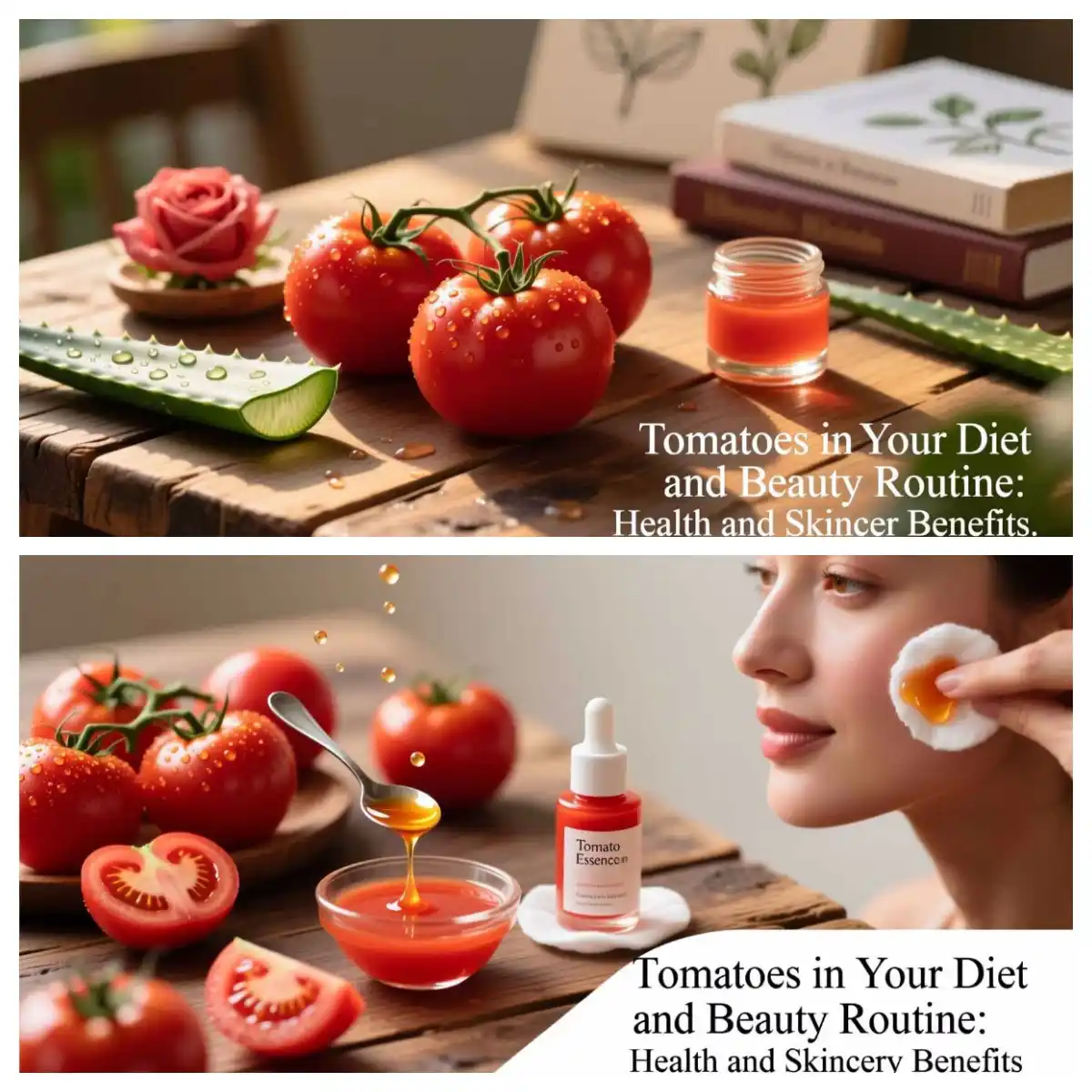
Growing tomatoes at home can be a rewarding experience, allowing you to enjoy fresh, flavorful tomatoes right from your garden or balcony. Here are some tips for growing tomatoes successfully:
Choosing the Right Variety
There are thousands of tomato varieties to choose from, each with its own unique characteristics. When selecting a variety to grow, consider the following factors:
Determinate vs. Indeterminate: Determinate tomatoes grow to a fixed size and produce all their fruit at once, making them ideal for container gardening. Indeterminate tomatoes continue to grow and produce fruit throughout the season, requiring more space and support.

Climate: Some tomato varieties are better suited to specific climates. For example, heat-tolerant varieties like ‘Heatmaster’ and ‘Solar Fire’ are ideal for hot climates, while cold-tolerant varieties like ‘Sub-Arctic Plenty’ are better suited to cooler climates.
Disease Resistance: Many tomato varieties have been bred for resistance to common diseases like verticillium wilt, fusarium wilt, and nematodes. Look for varieties with disease resistance if these issues are common in your area.
Intended Use: Consider how you plan to use your tomatoes. Some varieties are better for slicing, while others are ideal for sauces, canning, or drying.
Planting Tomatoes
Tomatoes are warm-season plants that require full sun and well-draining soil. Here’s how to plant them:
Timing: Plant tomatoes after the last frost date in your area, when the soil has warmed to at least 60°F (15°C).
Soil Preparation: Amend the soil with compost or well-rotted manure to improve fertility and drainage. Tomatoes prefer slightly acidic soil with a pH between 6.0 and 6.8.
Planting: Dig a hole that is twice as wide and as deep as the root ball of the tomato plant. Remove the lower leaves from the plant and place it in the hole, burying the stem up to the first set of leaves. This encourages the development of a strong root system.
Spacing: Space tomato plants 2-3 feet apart in rows that are 3-4 feet apart to allow for good air circulation and prevent the spread of disease.
Watering: Water the plants thoroughly after planting and provide regular watering throughout the growing season, aiming for about 1-2 inches of water per week.
Caring for Tomato Plants
Proper care is essential for healthy tomato plants and a bountiful harvest. Here are some key aspects of tomato care:
Mulching: Apply a layer of organic mulch, such as straw or shredded leaves, around the base of the plants to help retain moisture, suppress weeds, and prevent soil-borne diseases from splashing onto the leaves.
Fertilizing: Tomatoes are heavy feeders and benefit from regular fertilization. Apply a balanced fertilizer at planting and side-dress with compost or a balanced fertilizer every 3-4 weeks during the growing season.
Pruning: Prune indeterminate tomato plants to remove suckers (the small shoots that grow in the leaf axils) and improve air circulation. This directs the plant’s energy into fruit production and reduces the risk of disease.
Staking or Caging: Provide support for tomato plants using stakes, cages, or trellises to keep the fruit off the ground and prevent rot.
Pest and Disease Management: Monitor plants regularly for signs of pests and diseases. Common tomato pests include aphids, hornworms, and whiteflies, while common diseases include early blight, late blight, and blossom end rot. Use organic pest control methods when possible and remove affected plant parts promptly to prevent the spread of disease.
Harvesting Tomatoes
Knowing when and how to harvest tomatoes is crucial for enjoying them at their peak flavor and texture. Here are some tips for harvesting tomatoes:
Timing: Harvest tomatoes when they are fully colored but still firm. The exact color will depend on the variety, but most tomatoes are ready when they are evenly red, yellow, or orange.
Method: Gently twist the tomato off the vine or use pruning shears to cut the stem just above the fruit. Avoid pulling the tomato, as this can damage the plant.
Ripening: If frost is expected before your tomatoes are fully ripe, you can harvest them and allow them to ripen indoors. Place them in a paper bag with a banana or apple, which release ethylene gas that promotes ripening.
Storage: Store ripe tomatoes at room temperature away from direct sunlight. Do not refrigerate tomatoes, as this can affect their flavor and texture. Use them within a week of harvesting for the best flavor.
Preserving Tomatoes
If you have a bountiful tomato harvest, you may want to preserve some of your tomatoes for later use. Here are some common methods for preserving tomatoes:
Canning
Canning is a popular method for preserving tomatoes, allowing you to enjoy them throughout the year. Here’s a basic method for canning tomatoes:
Water Bath Canning Tomatoes
Ingredients and Equipment: Fresh tomatoes Canning jars with lids and bands Water bath canner Lemon juice or citric acid Salt (optional)
Instructions: Prepare the tomatoes by washing them and removing any stems or blemishes. Blanch the tomatoes in boiling water for 30-60 seconds, then transfer them to an ice bath. The skins should slip off easily. Remove the skins and cores from the tomatoes. Pack the tomatoes into sterilized canning jars, leaving 1/2 inch of headspace. Add 1 tablespoon of lemon juice or 1/4 teaspoon of citric acid to each pint jar (double for quart jars) to ensure acidity. Add 1/2 teaspoon of salt to each pint jar if desired. Wipe the rims of the jars with a clean, damp cloth and place the lids and bands on, tightening just until fingertip tight. Process the jars in a water bath canner for the time specified in your recipe, usually 35-45 minutes for pints and 45-50 minutes for quarts. Remove the jars from the canner and let them cool for 12-24 hours. Check the seals before storing.
Freezing
Freezing is a simple method for preserving tomatoes that requires minimal equipment. Here’s how to freeze tomatoes:
Freezing Whole Tomatoes
Instructions: Wash the tomatoes and remove any stems or blemishes. Place the tomatoes on a baking sheet and freeze until solid. Transfer the frozen tomatoes to freezer bags or containers, removing as much air as possible. Label the bags or containers with the date and freeze for up to 6 months. To use, remove the desired number of tomatoes and let them thaw at room temperature. The skins will slip off easily, and the tomatoes can be used in sauces, soups, and other cooked dishes.
Drying
Drying tomatoes concentrates their flavor and allows you to store them for extended periods. Here’s how to dry tomatoes:
Drying Tomatoes in a Dehydrator
Instructions: Wash the tomatoes and remove any stems or blemishes. Cut the tomatoes in half or into quarters, depending on their size. Remove the seeds and pulp if desired. Place the tomato pieces on the dehydrator trays, leaving space between them for air circulation. Dry at 135°F (57°C) for 8-12 hours, until the tomatoes are leathery and brittle. Store the dried tomatoes in an airtight container in a cool, dark place for up to 6 months, or in the refrigerator or freezer for longer storage.
Tomatoes in Traditional Medicine
Tomatoes have been used in traditional medicine for centuries to treat various ailments. While many of these uses have not been scientifically validated, they reflect the long-standing recognition of tomatoes’ health-promoting properties. Here are some traditional medicinal uses of tomatoes:
Digestive Aid
In traditional medicine, tomatoes have been used to aid digestion and relieve constipation. The fiber and water content in tomatoes help promote regular bowel movements, while their acidity stimulates the production of digestive juices. In some cultures, tomato juice is consumed as a natural remedy for indigestion and bloating.
Anti-inflammatory Remedy
Tomatoes have been used in traditional medicine to reduce inflammation and relieve pain associated with conditions like arthritis and gout. The anti-inflammatory compounds in tomatoes, particularly lycopene, are believed to help reduce swelling and pain in the joints.
Diuretic Properties
Tomatoes have been used as a natural diuretic in traditional medicine, helping to increase urine production and reduce water retention. This property is attributed to the high water and potassium content in tomatoes, which help regulate fluid balance in the body.
Fever Reducer
In some traditional medicine systems, tomatoes have been used to help reduce fever. The cooling properties of tomatoes are believed to help lower body temperature, while their vitamin C content supports immune function during illness.
Skin Conditions
Tomatoes have been applied topically in traditional medicine to treat various skin conditions, including acne, eczema, and psoriasis. The natural acids and antioxidants in tomatoes are believed to help reduce inflammation, kill bacteria, and promote healing.
Environmental Impact of Tomato Production
As with any agricultural product, tomato production has environmental implications that are important to consider. Understanding these impacts can help consumers make more informed choices about the tomatoes they purchase and consume.
Water Usage
Tomato production requires significant amounts of water, particularly in regions with arid climates. On average, it takes about 22 gallons of water to produce one pound of tomatoes. However, this can vary widely depending on the growing method and location. Greenhouse tomatoes typically require less water than field-grown tomatoes, as irrigation can be more precisely controlled.
Pesticide Use
Conventionally grown tomatoes are often treated with pesticides to protect against pests and diseases. According to the Environmental Working Group’s Dirty Dozen list, tomatoes rank among the produce items with higher pesticide residues. This has implications for both environmental health and human health, as pesticides can contaminate soil, water, and air, and may pose health risks to consumers.
Greenhouse Gas Emissions
The production and transportation of tomatoes contribute to greenhouse gas emissions. Greenhouse-grown tomatoes, particularly those grown in heated greenhouses in colder climates, can have a higher carbon footprint due to the energy required for heating and lighting. Additionally, tomatoes that are transported long distances, especially by air, contribute to transportation-related emissions.
Soil Health
Conventional tomato farming practices, such as monocropping and excessive tillage, can degrade soil health over time. These practices can lead to soil erosion, loss of organic matter, and reduced soil fertility. On the other hand, sustainable farming practices, such as crop rotation, cover cropping, and the use of organic fertilizers, can help maintain and improve soil health.
Sustainable Tomato Production
To address these environmental concerns, many farmers and organizations are adopting more sustainable tomato production practices. These include:
Organic Farming
Organic tomato farming prohibits the use of synthetic pesticides and fertilizers, relying instead on natural methods to control pests and maintain soil fertility. Organic farming practices can help reduce pesticide residues in food and minimize environmental contamination.
Water Conservation
Many tomato growers are implementing water conservation techniques, such as drip irrigation and rainwater harvesting, to reduce water usage. Drip irrigation delivers water directly to the plant roots, minimizing evaporation and runoff.
Integrated Pest Management
Integrated Pest Management (IPM) is an approach that combines biological, cultural, physical, and chemical tools to minimize pest damage while reducing the use of synthetic pesticides. IPM strategies for tomatoes may include the use of beneficial insects, crop rotation, and the targeted application of pesticides only when necessary.
Local and Seasonal Production
Purchasing locally grown, seasonal tomatoes can help reduce the environmental impact associated with long-distance transportation. Additionally, seasonal production typically requires fewer energy inputs, such as heating and lighting in greenhouses.
Choosing Sustainable Tomatoes
As a consumer, you can make more sustainable choices when purchasing tomatoes by considering the following factors:
Organic Certification
Look for tomatoes that are certified organic, which ensures they were grown without synthetic pesticides and fertilizers. Organic certification also typically indicates that the farming practices used are more environmentally friendly.
Local and Seasonal
Choose tomatoes that are grown locally and in season when possible. This reduces the environmental impact associated with transportation and energy-intensive production methods.
Fair Trade
Consider purchasing fair trade certified tomatoes, which ensures that farmers received fair compensation for their products and that labor practices meet certain standards.
Packaging
Choose tomatoes with minimal packaging or packaging that is recyclable or compostable to reduce waste.
The Future of Tomatoes
The future of tomatoes is likely to be shaped by advances in breeding, technology, and sustainability efforts. Here are some trends and developments that may influence the future of tomato production and consumption:
Genetic Improvement
Advances in genetic engineering and breeding techniques are allowing scientists to develop tomato varieties with improved traits, such as disease resistance, drought tolerance, and enhanced nutritional content. For example, researchers are working on developing tomatoes with higher levels of lycopene and other beneficial compounds.
Precision Agriculture
Precision agriculture technologies, such as drones, sensors, and GPS, are being used to optimize tomato production. These technologies allow farmers to monitor crop health, soil conditions, and weather patterns in real-time, enabling more precise application of water, fertilizers, and pesticides.
Vertical Farming
Vertical farming, which involves growing crops in vertically stacked layers, often in controlled environments, is an emerging trend in tomato production. This method allows for year-round production in urban areas, using less water and land than traditional farming methods.
Plant-Based Alternatives
As interest in plant-based diets grows, tomatoes are increasingly being used as a base for meat alternatives and other plant-based products. Tomato-based products can provide the umami flavor and texture that consumers seek in plant-based alternatives.
Reducing Food Waste
Efforts to reduce food waste in the tomato supply chain are likely to increase in the future. This may include improved storage and transportation methods, as well as the development of new products that use imperfect or surplus tomatoes.
FAQs
- Are tomatoes fruits or vegetables?
Botanically, tomatoes are fruits because they develop from the ovary of a flower and contain seeds. However, in culinary contexts, they are typically used as vegetables due to their flavor profile and how they are prepared in dishes.
- What gives tomatoes their red color?
The red color of tomatoes comes from lycopene, a powerful antioxidant that belongs to the carotenoid family of pigments. Lycopene is responsible for the red color in not only tomatoes but also watermelon, pink grapefruit, and guava.
- Are cooked tomatoes more nutritious than raw tomatoes?
Cooking tomatoes actually increases the bioavailability of lycopene, meaning your body can absorb and use it more easily. However, cooking reduces the vitamin C content in tomatoes. Both raw and cooked tomatoes offer nutritional benefits, so it’s best to include both in your diet.
- Can tomatoes help with weight loss?
Yes, tomatoes can be beneficial for weight loss due to their low calorie and high water and fiber content. They help promote satiety, reducing overall calorie intake, and their fiber content helps regulate blood sugar levels, preventing cravings for unhealthy foods.
- Are tomatoes good for diabetics?
Tomatoes have a low glycemic index and are rich in fiber, making them a good food choice for diabetics. They help regulate blood sugar levels and are packed with antioxidants that can help reduce the risk of diabetes-related complications.
- Can tomatoes cause acid reflux?
For some individuals, the acidity of tomatoes can trigger or worsen acid reflux symptoms. If you have acid reflux or a sensitive stomach, you may need to limit your tomato consumption or opt for lower-acid varieties.
- Are tomatoes good for heart health?
Yes, tomatoes are excellent for heart health. The lycopene in tomatoes helps reduce LDL (bad) cholesterol levels and increase HDL (good) cholesterol levels, while the potassium content helps regulate blood pressure. The antioxidants in tomatoes also help protect the cardiovascular system by reducing inflammation and oxidative stress.
- Can tomatoes help prevent cancer?
Tomatoes, particularly due to their lycopene content, have been studied for their potential cancer-preventive properties. Research suggests that regular consumption of tomatoes may help reduce the risk of certain types of cancer, including prostate, lung, stomach, and breast cancers.
- Are tomatoes good for skin health?
Yes, tomatoes are beneficial for skin health both when consumed and when applied topically. The vitamin C in tomatoes is essential for collagen production, while lycopene helps protect the skin from UV damage. Tomatoes also have natural astringent properties that can help control excess oil and treat acne.
- Can tomatoes be frozen?
Yes, tomatoes can be frozen for later use. You can freeze them whole after washing and removing the stems, or you can blanch, peel, and chop them before freezing. Frozen tomatoes are best used in cooked dishes like sauces and soups, as their texture will change upon thawing.
- What are the benefits of tomato juice?
Tomato juice is a nutritious beverage that provides many of the same health benefits as whole tomatoes. It’s rich in vitamins, minerals, and antioxidants, particularly lycopene. Regular consumption of tomato juice has been associated with improved heart health, reduced inflammation, and enhanced male fertility.
- Are green tomatoes safe to eat?
Yes, green tomatoes are safe to eat, but they should be consumed in moderation. Green tomatoes contain solanine, a toxic compound that can cause digestive discomfort if consumed in large quantities. Cooking green tomatoes reduces their solanine content, making them safer to eat.
- Can tomatoes be grown indoors?
Yes, tomatoes can be grown indoors with proper care. You’ll need a sunny location or grow lights, well-draining soil, and regular watering. Dwarf or determinate tomato varieties are best suited for indoor growing as they don’t require as much space as indeterminate varieties.
- What is the difference between determinate and indeterminate tomatoes?
Determinate tomatoes grow to a fixed size and produce all their fruit at once, making them ideal for container gardening. Indeterminate tomatoes continue to grow and produce fruit throughout the season, requiring more space and support, such as staking or caging.
- How long do tomatoes last?
Fresh tomatoes can last for about a week when stored at room temperature away from direct sunlight. Refrigerating tomatoes can extend their shelf life but may affect their flavor and texture. Cooked tomato dishes can be stored in the refrigerator for 3-5 days or in the freezer for up to 3 months.
- Are tomatoes nightshades?
Yes, tomatoes belong to the nightshade family (Solanaceae), which also includes potatoes, eggplants, bell peppers, and tobacco. Some individuals with autoimmune conditions or sensitivities may need to avoid nightshades, but for most people, these vegetables are healthy and nutritious.
- Can tomatoes help reduce inflammation?
Yes, tomatoes have anti-inflammatory properties due to their rich content of antioxidants, particularly lycopene. Regular consumption of tomatoes has been shown to reduce markers of inflammation in the body, which may help reduce the risk of chronic diseases associated with inflammation.
- Are tomatoes good for eye health?
Yes, tomatoes contain several nutrients that are essential for eye health, including vitamin A, lutein, and zeaxanthin. These nutrients help protect against age-related macular degeneration, cataracts, and other eye conditions.
- Can tomatoes be used to treat acne?
Tomatoes can be beneficial for acne-prone skin due to their natural astringent properties and salicylic acid content. Applying tomato juice or pulp to the skin can help unclog pores, reduce inflammation, and control excess oil production.
- What are the benefits of sun-dried tomatoes?
Sun-dried tomatoes are a concentrated source of nutrients, particularly lycopene. They also contain vitamins A and C, potassium, and fiber. Sun-dried tomatoes can be used in a variety of dishes, including salads, pasta, and sandwiches, to add flavor and nutritional value.
- Are tomatoes good for bone health?
Yes, tomatoes contain several nutrients that are important for bone health, including vitamin K, calcium, and lycopene. These nutrients help support bone formation, reduce bone loss, and protect against osteoporosis.
- Can tomatoes help improve digestion?
Tomatoes can help improve digestion due to their fiber and water content, which promote regular bowel movements and prevent constipation. The acidity of tomatoes also stimulates the production of digestive juices, enhancing the breakdown and absorption of nutrients.
- Are tomatoes good for pregnant women?
Tomatoes are a nutritious food for pregnant women, as they contain folate, which is essential for fetal development, particularly in the early stages of pregnancy. Tomatoes also provide vitamin C, which helps with iron absorption, and other important nutrients.
- Can tomatoes cause allergies?
While rare, some individuals may be allergic to tomatoes. Tomato allergies can cause symptoms such as itching, hives, swelling, and digestive discomfort. In severe cases, a tomato allergy can cause anaphylaxis, a life-threatening allergic reaction.
- Are tomatoes good for hair health?
Tomatoes contain vitamins A and C, which are important for hair health. Vitamin A helps produce sebum, which moisturizes the scalp, while vitamin C aids in collagen production, which strengthens hair. Applying tomato juice to the scalp may also help balance pH levels and reduce dandruff.
- Can tomatoes help reduce the risk of stroke?
Yes, research suggests that regular consumption of tomatoes may help reduce the risk of stroke. The lycopene in tomatoes has been shown to reduce inflammation and oxidative stress, two factors that contribute to stroke risk.
- What are the benefits of tomato leaves?
While not commonly consumed, tomato leaves contain compounds that have been studied for their potential health benefits. Some research suggests that tomato leaves may have antimicrobial and insect-repellent properties. However, tomato leaves also contain tomatine, a toxic compound that can cause digestive discomfort if consumed in large quantities.
- Can tomatoes be used to make natural dye?
Yes, tomatoes can be used to make a natural dye for fabrics and other materials. The red color from tomatoes can create shades of pink, orange, and red, depending on the concentration and mordant used. Tomato dye is not as colorfast as synthetic dyes and may fade over time.
- Are tomatoes good for liver health?
Tomatoes contain compounds that may help support liver health. The lycopene in tomatoes has been shown to reduce inflammation and oxidative stress in the liver, while the chlorogenic acid in tomatoes may help protect against liver damage.
- Can tomatoes help improve male fertility?
Some research suggests that tomatoes may help improve male fertility. The lycopene in tomatoes has been shown to improve sperm count, motility, and morphology in men with fertility issues. Additionally, the antioxidants in tomatoes help protect sperm from oxidative damage.
Conclusion
The tomato is truly a remarkable fruit with a wide range of health benefits, skincare applications, and culinary uses. From supporting heart health and preventing cancer to brightening the skin and adding flavor to countless dishes, tomatoes have earned their place as one of the most beloved and versatile foods worldwide.
As we’ve explored in this comprehensive guide, tomatoes are packed with essential nutrients, powerful antioxidants, and beneficial compounds that can enhance nearly every aspect of health. Whether consumed raw or cooked, as a juice or sauce, or applied topically to the skin, tomatoes offer numerous benefits that can improve your quality of life.
By incorporating tomatoes into your diet and skincare routine, you can harness the power of this humble fruit to support your health and wellbeing. And by choosing sustainably grown tomatoes, you can also contribute to a more environmentally friendly food system.
So the next time you enjoy a fresh tomato salad, a comforting bowl of tomato soup, or a nourishing tomato face mask, take a moment to appreciate the many wonders of this incredible fruit. The tomato is not just a delicious addition to your meals and skincare regimen—it’s a powerful ally in your journey toward optimal health and vitality.
Medical Disclaimer:
The information provided on this website is for general educational and informational purposes only and is not intended as a substitute for professional medical advice, diagnosis, or treatment. Always seek the advice of your physician or other qualified health provider with any questions you may have regarding a medical condition. Never disregard professional medical advice or delay in seeking it because of something you have read on this website.